Blog
Weatherproof LED Lights: A Practical Guide for Halloween, Christmas, and Permanent Installs

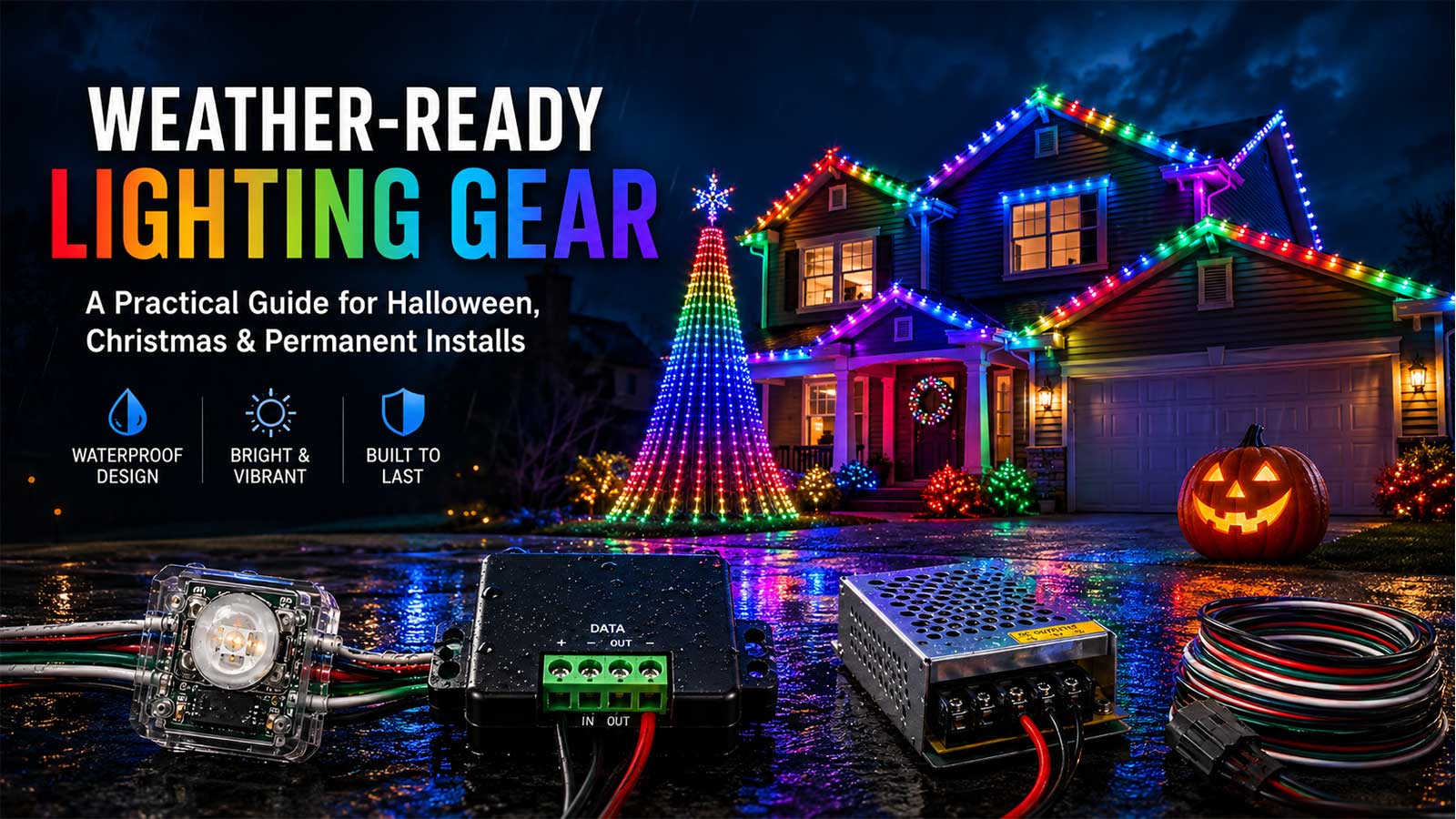
Rain, snow, heat, and months of sun exposure will find every weak point in an outdoor display. Weatherproof LED lights and properly sealed gear are what separate a show that runs all season from one that fails the first wet night. This guide covers what the IP ratings actually mean, which pixels and connectors hold up outdoors, how to protect your controllers and power, and what to inspect before the season starts — whether you are building a Halloween haunt, a Christmas display, or a permanent install.
Understanding IP Ratings: IP65 vs IP67 vs IP68
An IP rating is the first thing to check on any product going outside. The two digits describe protection against solids and against water. For outdoor lighting, the second digit is the one that matters.
| Rating | Water protection | Typical use |
|---|---|---|
| IP65 | Low-pressure water jets from any direction | Covered porches, soffits, sheltered runs |
| IP67 | Submersion up to 1 metre for up to 30 minutes | Most outdoor displays, ground-level props, roof lines |
| IP68 | Continuous or deeper submersion | Standing water, pond and pool edges, buried runs |
For most holiday and event displays, IP67 is the working standard. It handles heavy rain, snow melt, and a sprinkler passing over. Step up to IP68 where water pools and stays — low spots in a yard, planters that hold runoff, or anything near a pool.
Check the rating on every part of the chain, not just the lights. A run of IP67 pixels feeding into an unrated connector is only as waterproof as that connector. Look for the rating printed on the product listing, and be wary of anything that only says “waterproof” without a number.
Choosing Outdoor LED Pixels
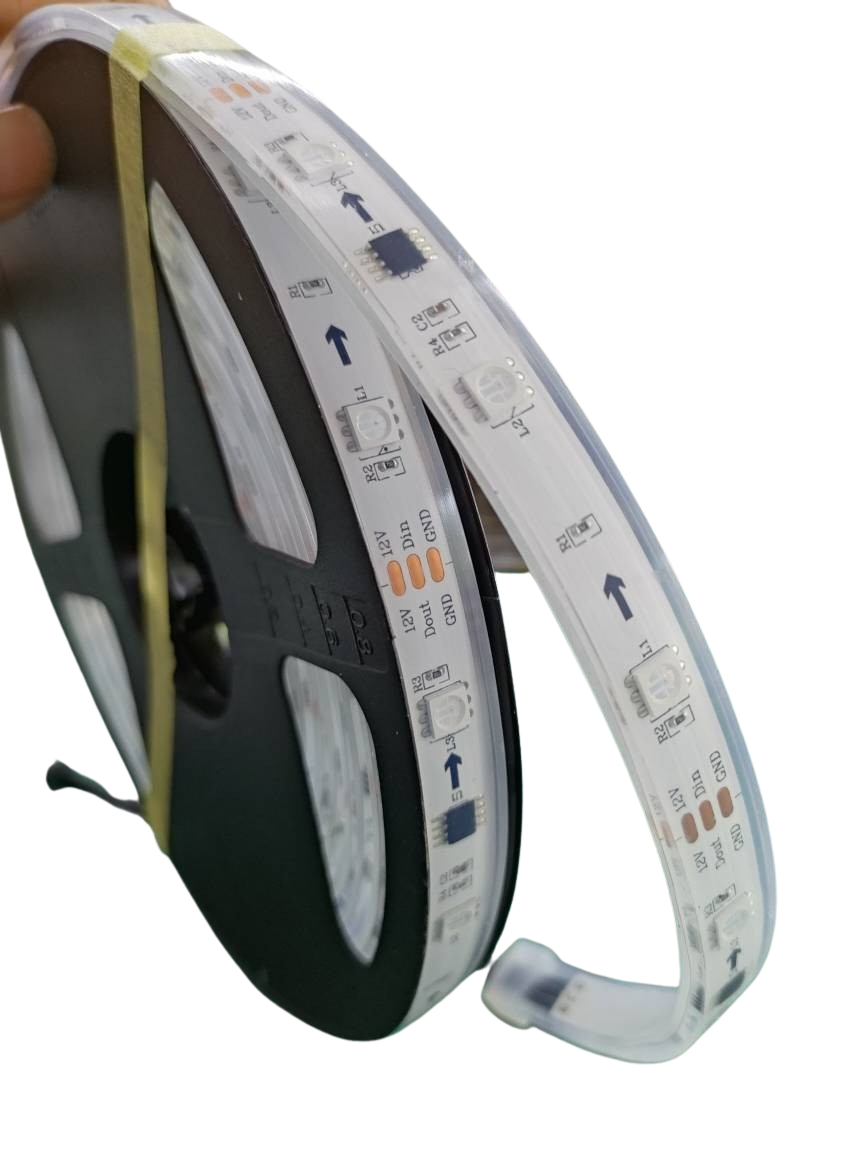
Outdoor LED pixels are the backbone of most displays: bright, individually addressable, and available in a range of shapes for different jobs. They are energy-efficient enough to run for weeks, and straightforward to program once wired.
RGB vs RGBW. RGB pixels mix white from red, green, and blue, which reads slightly tinted. RGBW adds a dedicated white LED for cleaner whites and softer pastels. If your show leans on warm whites or subtle colour, RGBW is worth the extra channel — our complete guide to pixel lights walks through that choice in more detail.
Build quality matters more outdoors than indoors. Look for pixels rated IP67 or better, with moulded seals at the wire entry rather than glued caps. Cheap pixels tend to fail at the seam where the wire enters the housing — that is the first place water gets in.
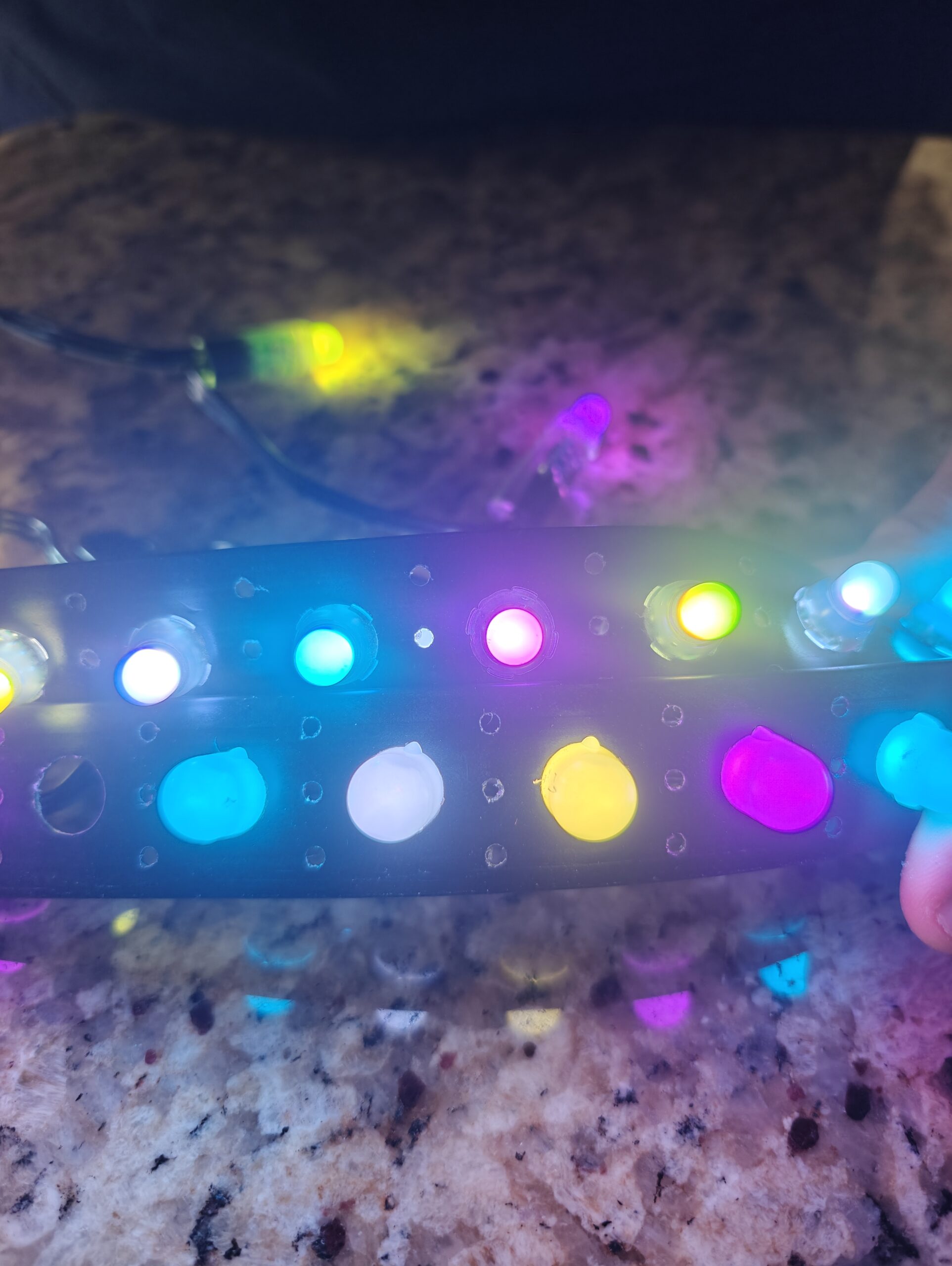
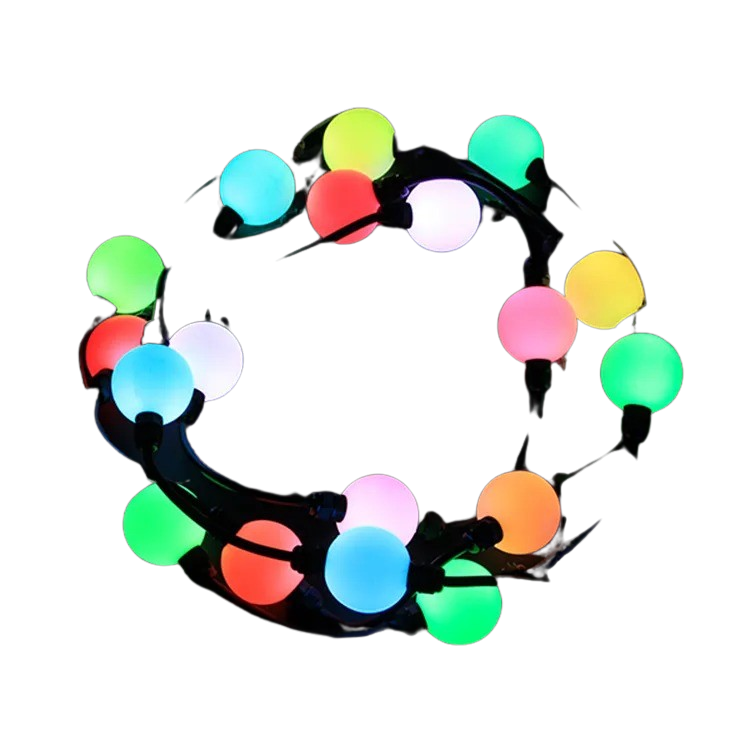
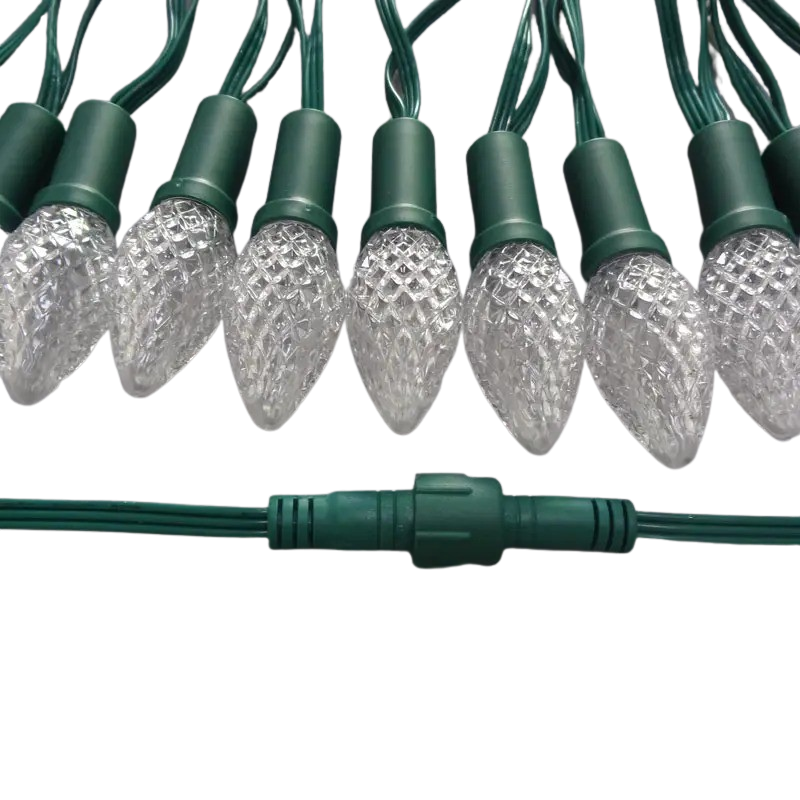
Shape by job. Bullet and square nodes suit outlines and props. Seed and pebble pixels pack tightly for dense fills and fine detail. Bulb-style pixels like C9 and C7 give a traditional look on rooflines and fences.
Waterproof Connectors: xConnect, Ray Wu, and Sealing
Connectors are the unsung heroes of a reliable outdoor display, and they are where most failures actually happen.
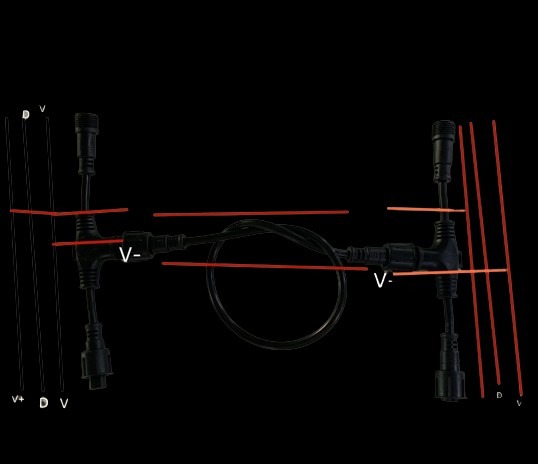
xConnect is the current standard for pixel connections — a keyed, gasketed connector that seals when fully seated and resists being pulled apart. Ray Wu connectors are the older widely-used alternative and still common on imported gear. Both work outdoors; the important thing is not mixing systems without a proper adapter. Whichever system you standardise on, keep spare extensions and pigtails on hand so a damaged run can be swapped rather than repaired in the cold.
Practical tips that prevent most connector failures:
- Seat every connector fully until the gasket compresses. A partly-seated connector looks connected and leaks anyway.
- Add a small amount of dielectric grease inside the connector before mating. It displaces moisture and makes seasonal disassembly easier.
- Cap every unused end. An open pigtail left facing the sky will fill with water.
- Support the cable so its weight does not hang on the connector body over a season.
Proper connectors reduce maintenance, cut down on flickering caused by intermittent contact, and extend the life of the whole run.
Weather-Rated Enclosures
Your controller and power supply are the least weatherproof things in the display, and they need a real enclosure — not a plastic tote.
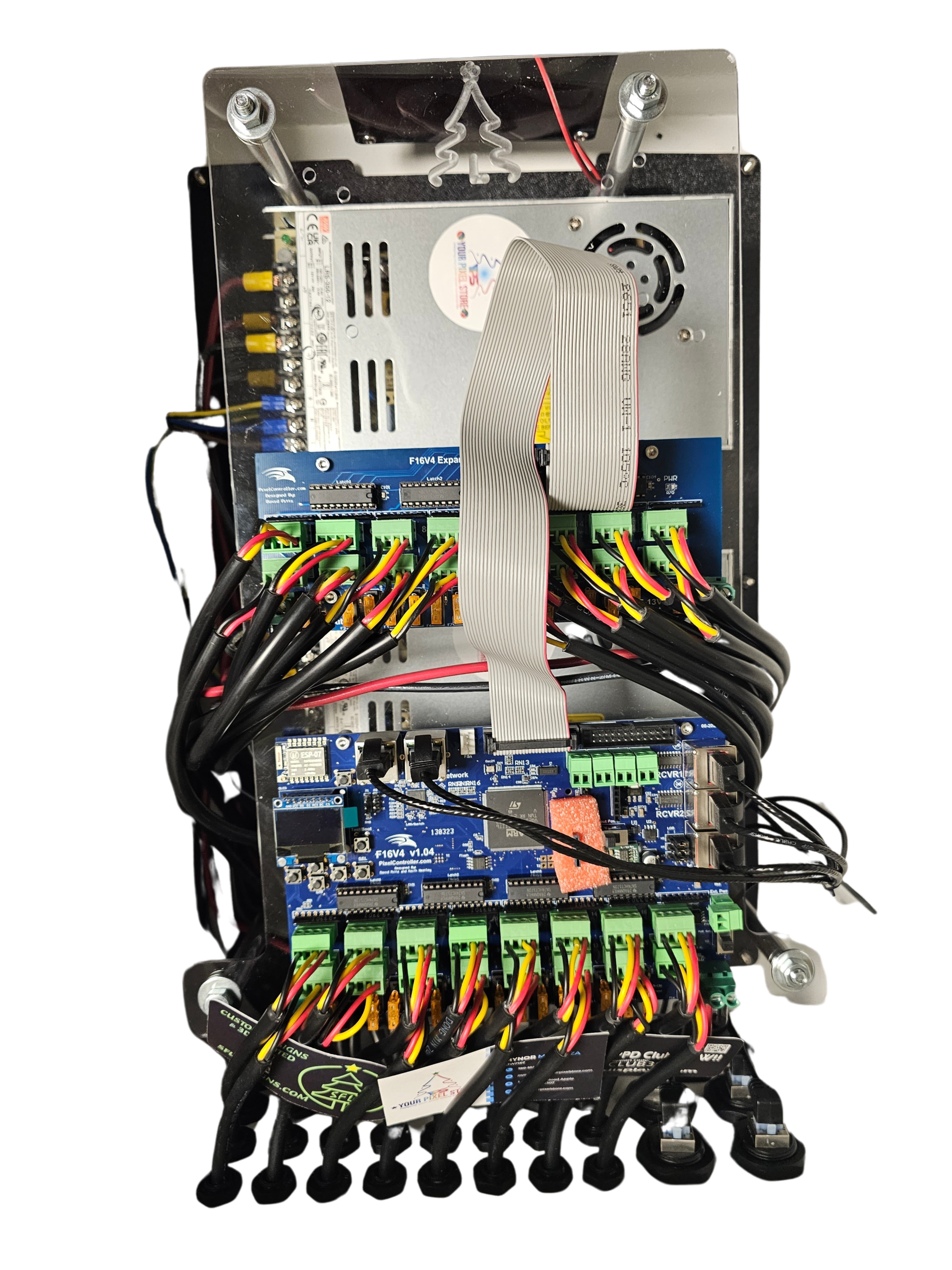
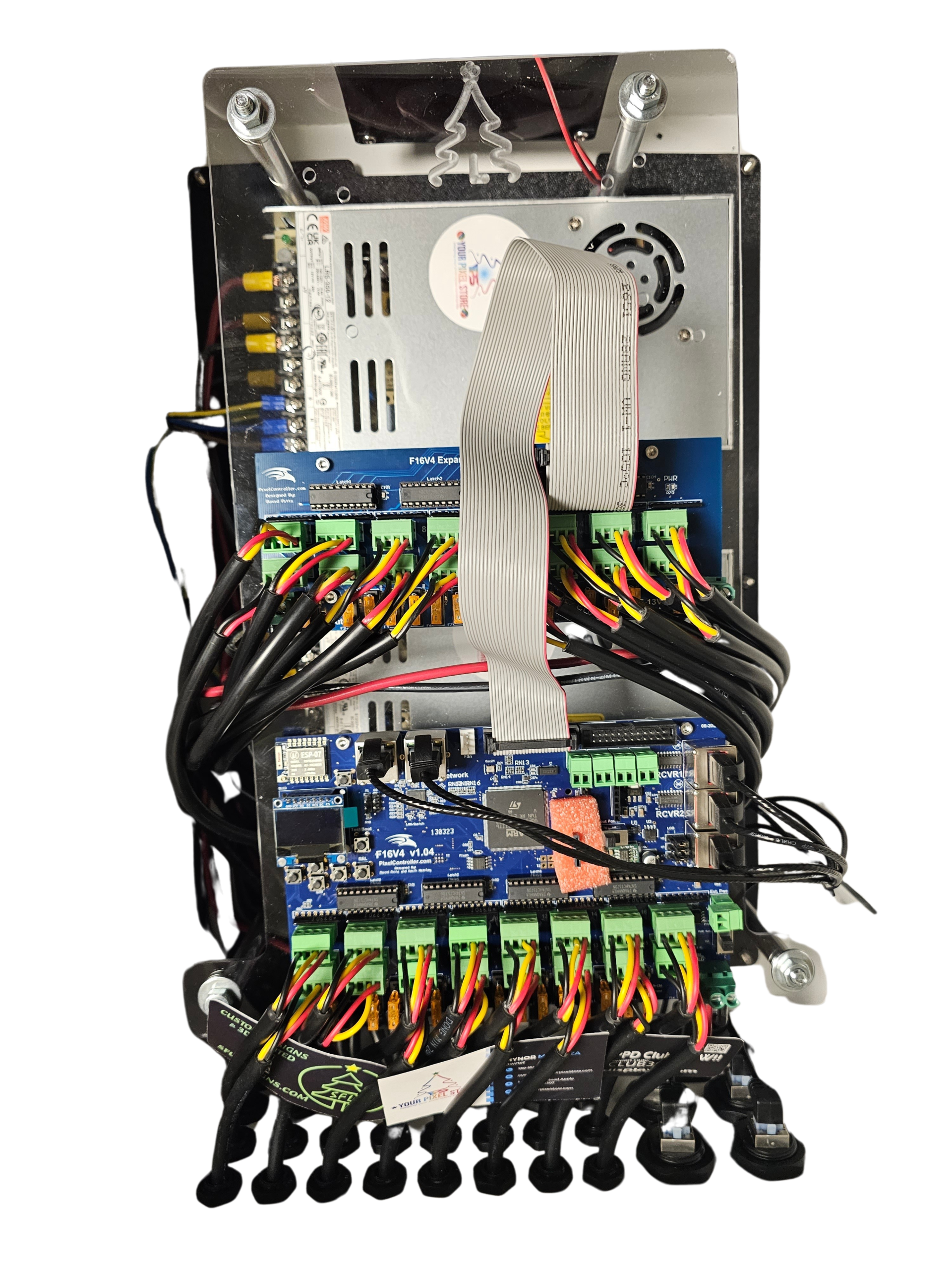
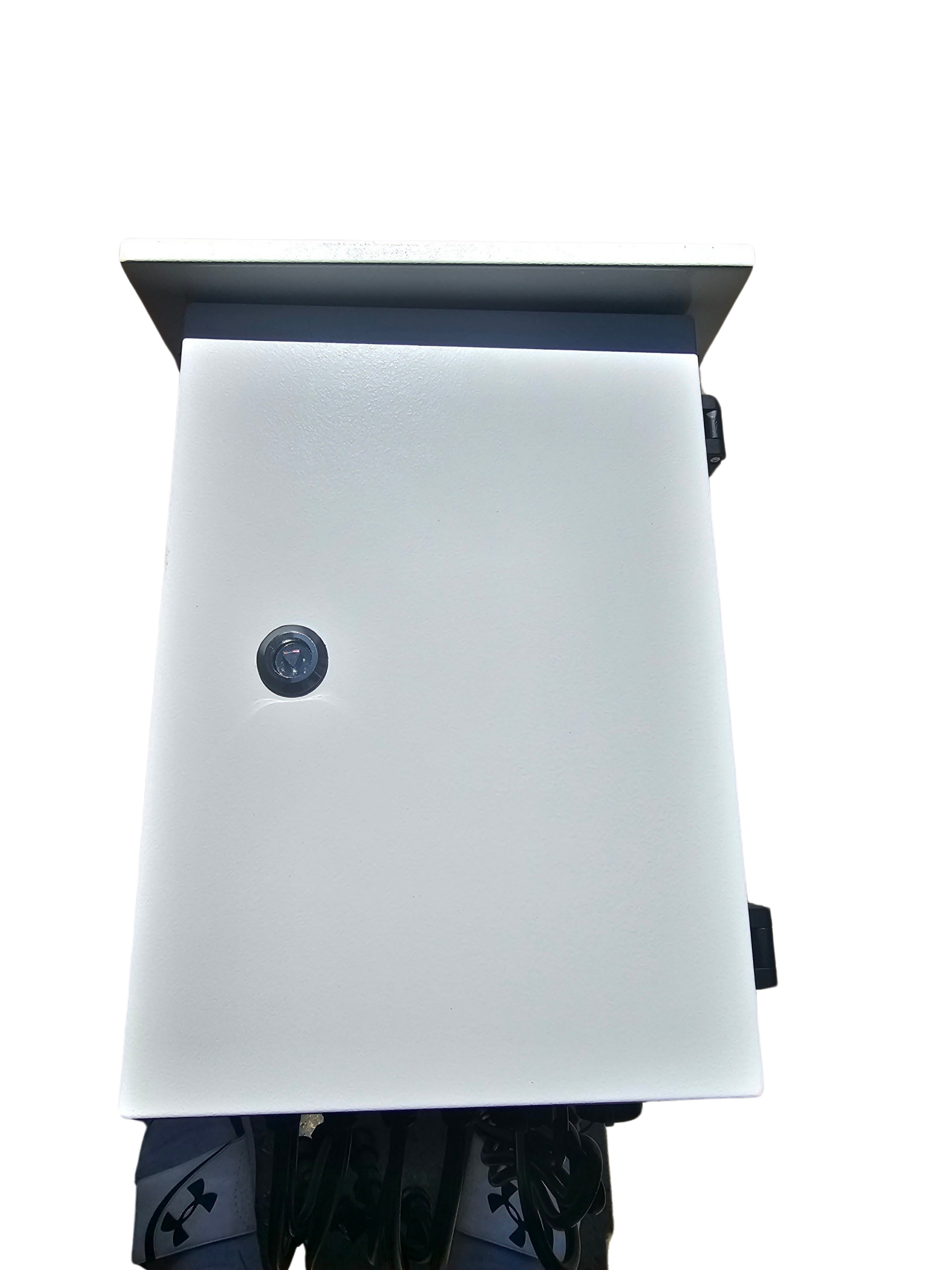
Vented waterproof enclosures are the right choice. A fully sealed box traps heat, and heat kills power supplies; a vented weather-rated box balances airflow against water ingress. Purpose-built controller enclosures already account for that balance.
- Mount enclosures out of direct weather where you can — under an eave, on the sheltered side of a structure, or raised off the ground so runoff does not pool at the base.
- Use downward-facing cable glands so water runs away from the entry point rather than into it.
- Keep it accessible. You will open it mid-season, in the dark, in the rain, at least once.
- Camouflage or paint it to blend into the display if it sits in a visible spot.
Surge Protection and Electrical Safety
Lightning and grid surges can take out an entire display in one event, and outdoor runs are far more exposed than indoor wiring.
- Install a surge protector on the feed to your display. Choose a high joule rating — higher means more energy absorbed before the device sacrifices itself.
- Surge protectors wear out. Check yours between seasons and replace it if the indicator light is out or it has taken a known hit.
- Use GFCI protection on outdoor circuits. This is a safety requirement, not an optional upgrade, and it protects people rather than equipment.
- Consider a conformal-coated power supply for exposed locations. The coating resists condensation inside the unit, which is the usual cause of slow power supply failure outdoors.
UV-Resistant Wire and Cable Management
Sunlight degrades ordinary cable jackets. Over a season or two, non-rated wire goes chalky, stiffens, and cracks — and then it lets water into the conductors.
- Use UV-resistant wire and connectors for anything with sun exposure. Check the jacket spec, not just the colour.
- Run cable in conduit or along trim where practical, both for protection and appearance.
- Secure runs with UV-rated ties. Standard nylon ties become brittle and snap by mid-season.
- Leave a drip loop before any connector or enclosure entry so water runs off the low point instead of tracking into the connection.
Neat cable management is not just cosmetic. It reduces wear, eliminates trip hazards, and makes fault-finding dramatically faster when something does go wrong.
Waterproof-Ready Controllers and Power
The controller is the brain of the show, and most controllers are not weatherproof on their own — they rely on the enclosure around them.
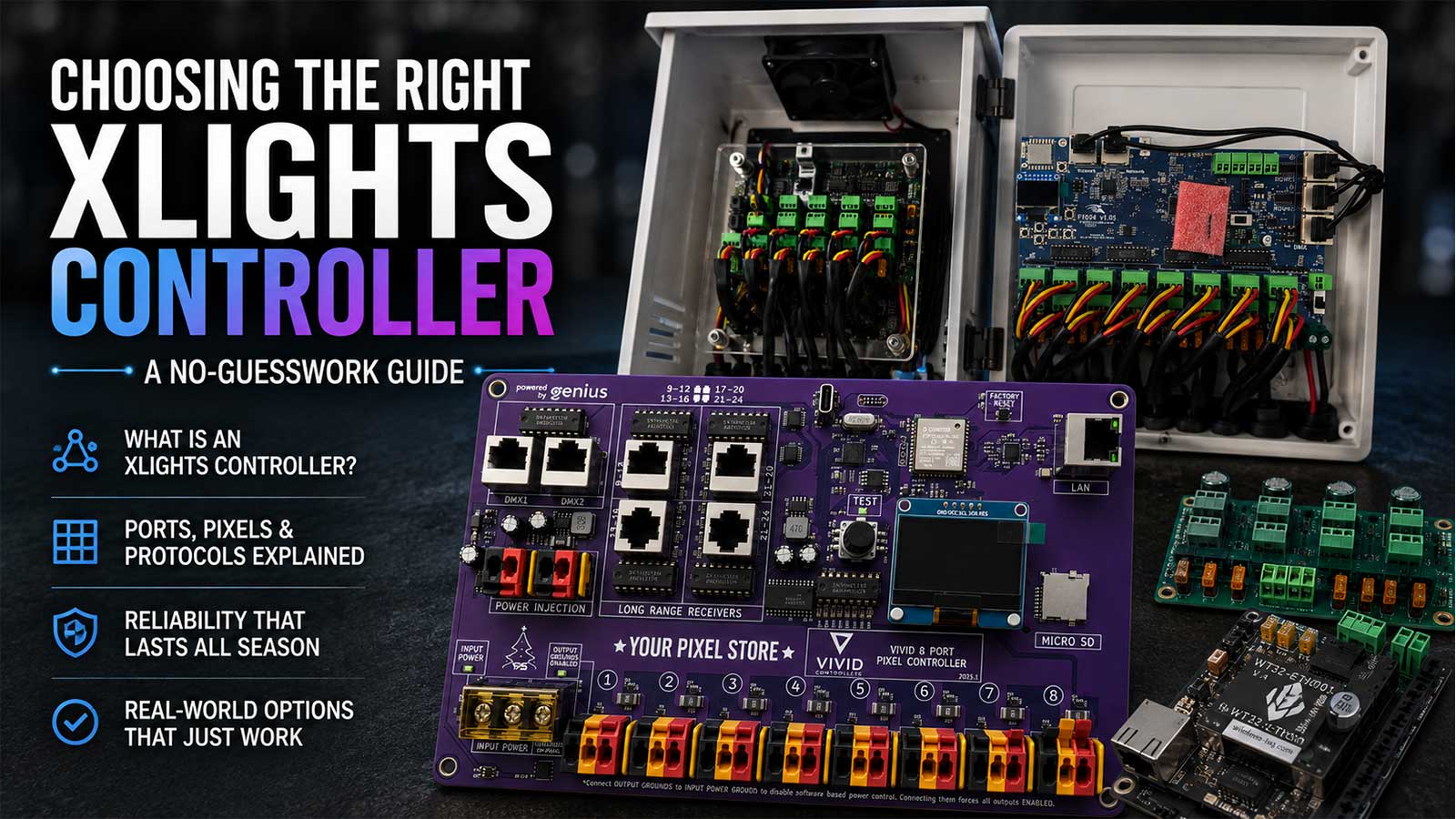
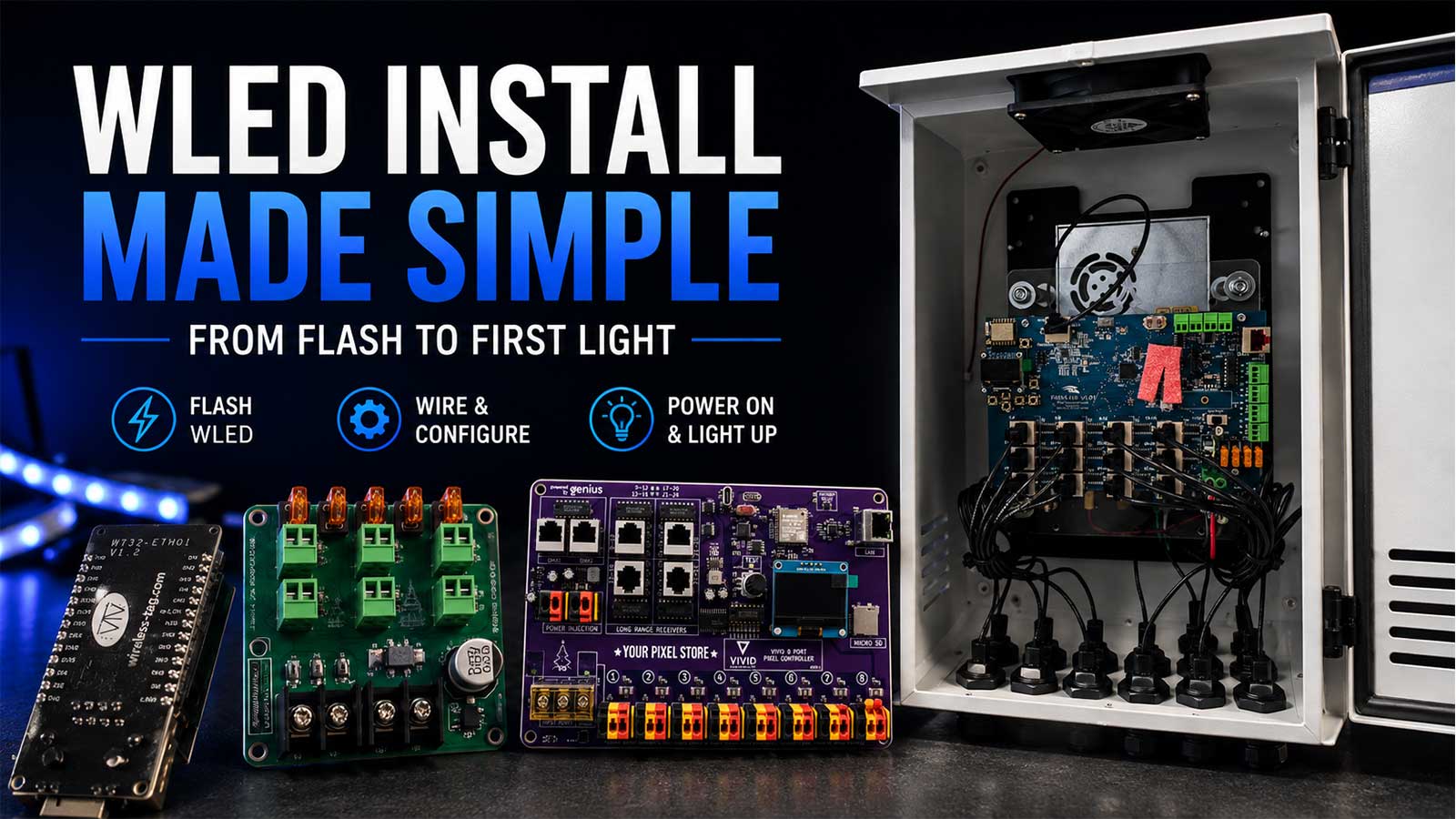
Ready-to-run controllers such as the YPS VIVID 8 ship pre-configured in a suitable enclosure, which removes most of the guesswork. Plug in power and data and you are running. They support standard protocols, so they work with xLights and similar software without special setup.
When planning power for an outdoor run:
- Size the power supply with headroom. Total your pixel draw and add roughly 20% so the supply is not running at its limit through a cold night.
- Plan power injection for long runs. Voltage drops over distance, and the far end of an un-injected run goes dim and colour-shifted before it goes dark.
- Keep power supplies inside the enclosure, not zip-tied to a fence.
Pre-Season Inspection Checklist
Run through this before every season. Most mid-show failures trace back to something that was already visible in October.
- Inspect every cable and pigtail for cracked jackets, chalky UV damage, and pinch points from last season’s mounting.
- Open and check enclosures for water staining, corrosion on terminals, and insect nests.
- Test each pixel run on the bench before it goes up. Finding a dead section at ground level takes minutes; finding it on a roofline takes hours.
- Check connectors for cracked gaskets and bent pins, and re-grease as you reassemble.
- Verify surge protection is present and its indicator is live.
- Confirm GFCI outlets trip and reset correctly.
- Replace anything marginal now. A connector you are unsure about in October is a service call in December.
Professional and Permanent Install Gear
For larger or year-round displays, the gear specification changes.
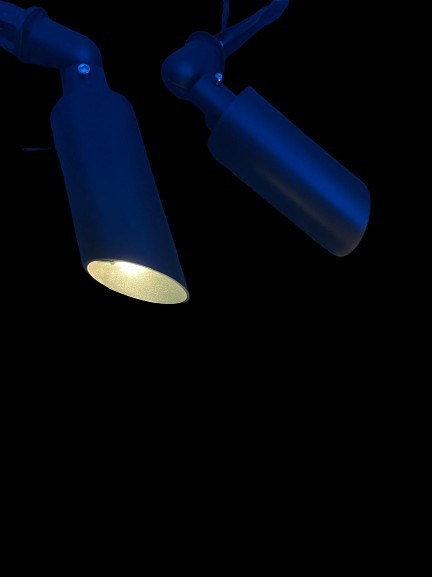
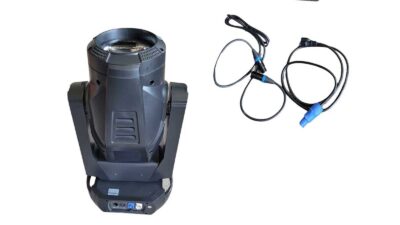
DMX fixtures and moving heads add dynamic elements that pixels alone cannot — beams, washes, and movement. Outdoor-rated versions exist and are worth the premium if they are staying up.
Permanent install lighting is built for continuous exposure rather than six weeks a year. Track-mounted systems, commercial-grade tunnels, and bullet pixels in permanent trim let you run a display any night of the year without seasonal setup. The upfront cost is higher, and it pays back in eliminated install and teardown labour.
You do not need everything at once. Most permanent installs grow one section at a time.
Where to Get Weather-Ready Gear
Everything described here — IP67 and IP68 pixels, sealed xConnect pigtails and adapters, vented weather-rated enclosures, outdoor-rated power supplies, and ready-to-run controllers — is available from Your Pixel Store, and it is all specified for outdoor use rather than adapted for it.
If you are planning a larger build and would rather not guess at quantities, we offer quotes and planning calls. Sending a layout and getting a parts list back is usually faster and cheaper than ordering twice.
Frequently Asked Questions
What is the difference between IP67 and IP68 ratings?
IP67 means the product survives submersion up to one metre for up to 30 minutes. IP68 covers deeper or longer submersion. For most outdoor displays IP67 is sufficient; choose IP68 where water pools and stays.
Is IP65 good enough for outdoor lights?
IP65 handles rain and spray but not submersion. It is fine for sheltered locations like covered porches and soffits. For ground-level props, roof lines, or anywhere water can collect, step up to IP67.
Do I need a waterproof pixel controller?
The controller itself usually is not waterproof — the enclosure around it does that job. What matters is that the controller sits in a vented, weather-rated enclosure with downward-facing cable glands.
How do I protect my wires from UV damage?
Use wire and connectors specified as UV-resistant, and secure them with UV-rated ties. Ordinary cable jackets and standard nylon ties break down within a season or two of direct sun.
What should I check before setting up my lights?
Inspect cables for cracking, open enclosures for water damage and corrosion, bench-test every pixel run, check connector gaskets, and verify that surge and GFCI protection are working. See the pre-season checklist above.
What causes most outdoor light show failures?
Connectors, more than anything else. Partly-seated connections, uncapped open ends, and unsupported cable weight account for the majority of mid-season faults — all of them preventable at install time.