Blog
LED Light Connectors 101: Choose, Wire, and Weather‑Proof Your Show

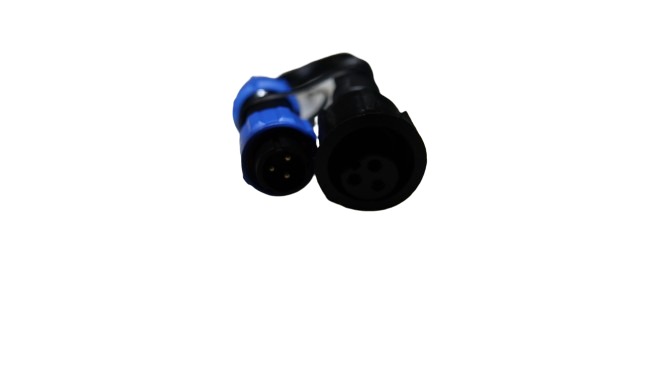
Wiring LED light connectors can feel like a maze filled with confusing pinouts, mismatched wire gauges, and unreliable weatherproofing. If you’ve ever dealt with flickering pixels or failed connections during a show, you know how frustrating it gets. This guide clears up the confusion by breaking down connector types, correct wiring techniques, and how to protect your display from the elements. Get ready to build a dependable light show that runs smoothly every time. For a closer look at some of the essential components, check out this selection of LED strip connectors.
Choosing the Right Connector
Navigating the array of connector options can be tricky, but picking the right one is crucial for a stable setup. Here’s your guide to understanding the essentials.
Understanding Connector Types
Different connector types serve varied purposes, and knowing them can make your project smoother. xConnect and Ray Wu connectors are popular in the lighting world. These connectors are known for their reliability and ease of use. For small projects, JST-SM connectors might be just what you need due to their compact size. If you’re working with larger systems, consider 3-pin and 4-pin LED connectors. They handle more power and support bigger displays. By selecting the appropriate connector, you ensure a stable and efficient system that keeps your lights glowing brightly.
Pinouts and Wire Gauge Basics
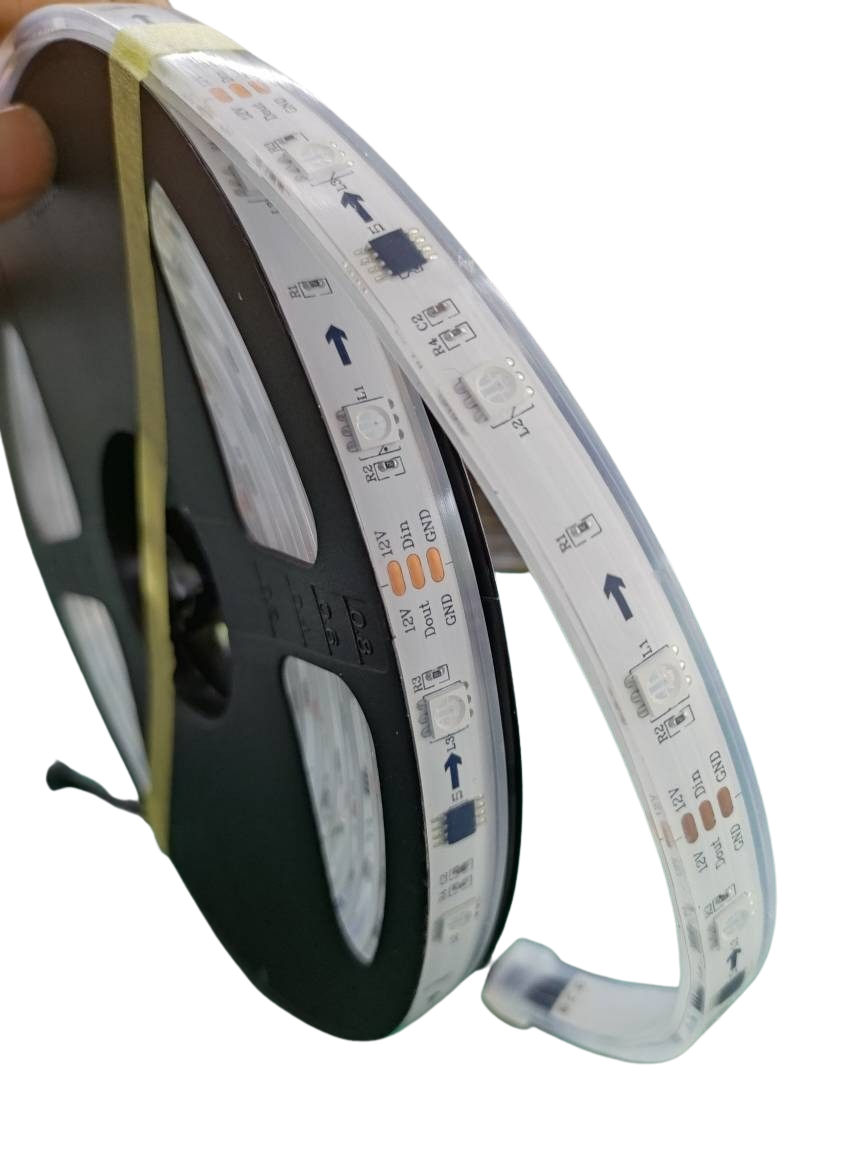
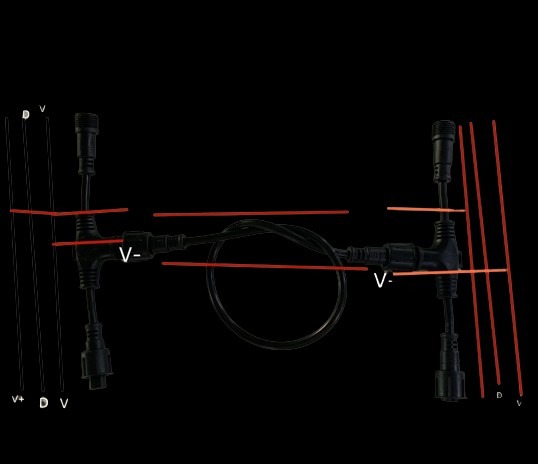
Pinouts might seem daunting, but they’re simply layouts showing how pins are connected. Using a pinout guide, you can follow the path of electricity in your connectors. This ensures each component works seamlessly. Wire gauge, or AWG, is equally important. The right gauge means the wire can handle the current without overheating. Thicker wires (lower AWG numbers) carry more current, perfect for setups requiring robust power. For instance, 12V pixels often need a thicker wire compared to 5V pixels. Knowing these basics helps prevent flickering and power drop issues.
Choosing Pigtails and Adapters
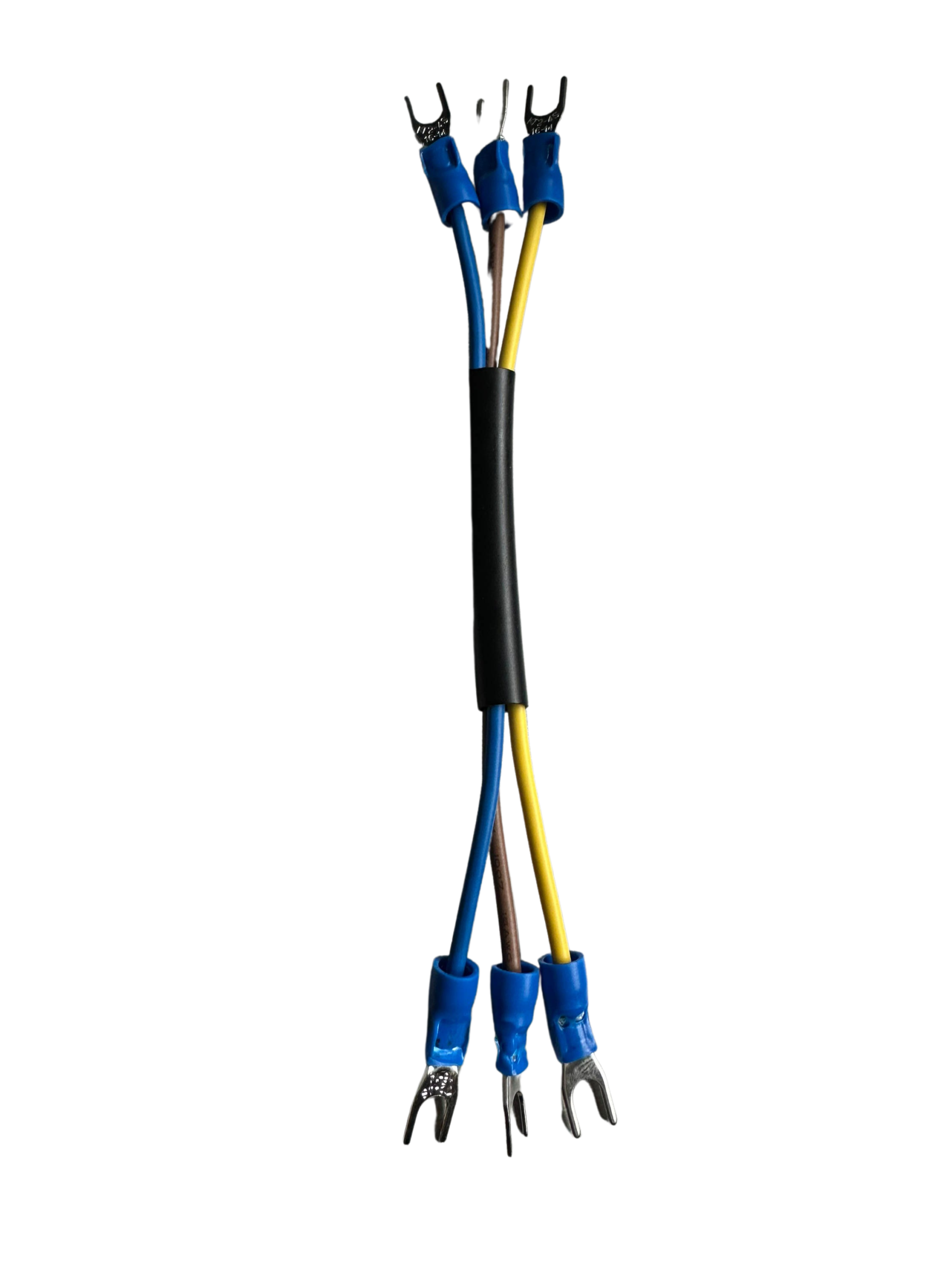
Pigtails and adapters are small but mighty components in your lighting setup. Pixel pigtails connect your lights to power sources or controllers, while adapters ensure compatibility between different components. When selecting, consider the length and durability. A high-quality pigtail won’t just connect; it will protect against wear and tear, ensuring longevity. Opt for waterproof versions to guard against moisture if your lights will be outdoors. By choosing the right pigtails and adapters, your light show will stay connected and vibrant, rain or shine.
Wiring Your LED Light Show
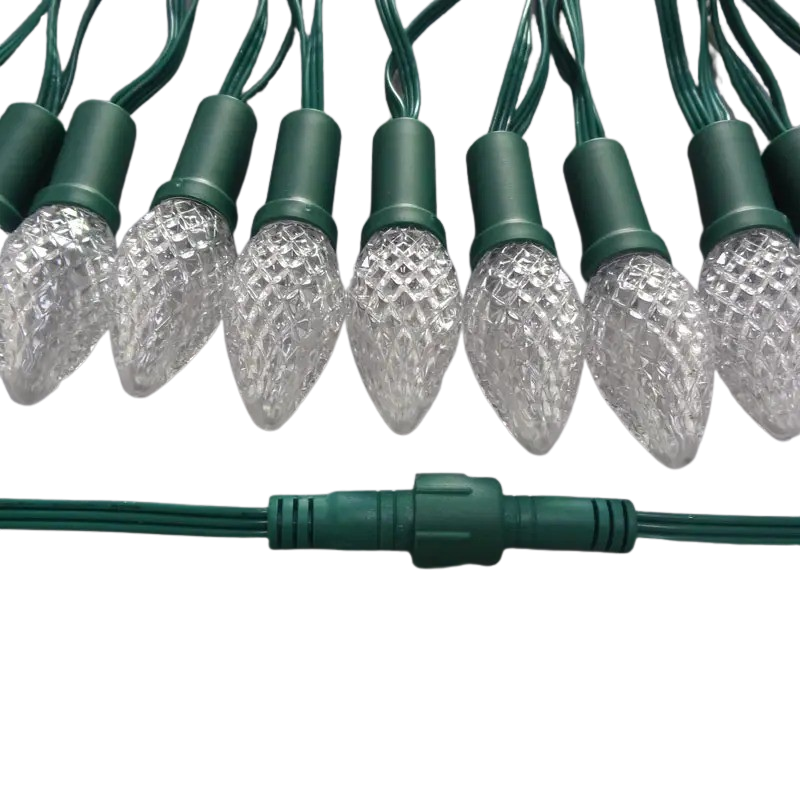
Once you’ve chosen your connectors, it’s time to wire your light show efficiently. This section covers essential techniques for reliability and power management.
Power Injection and Voltage Considerations
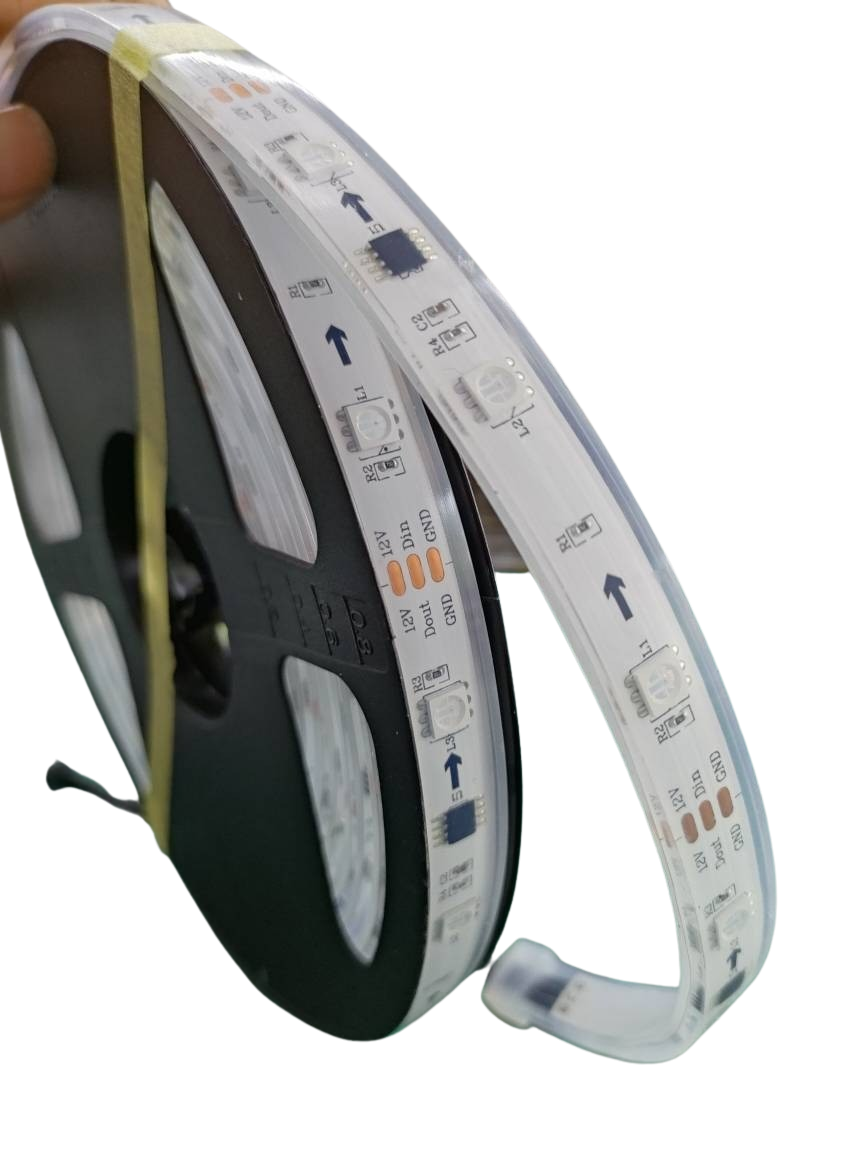
Powering your LED lights correctly is key to avoiding flickering and maintaining brightness. Power injection helps distribute power evenly, especially in long runs. Without it, your lights may dim or flicker, disrupting your show. Determine if you need 5V or 12V pixels based on your setup’s requirements. This choice impacts the power distribution. By injecting power at regular intervals, you ensure consistent brightness across your display, a small step that makes a big difference in performance.
Using WAGO Lever Nuts and Solder Sleeves
For a clean and secure connection, consider using WAGO lever nuts. They’re easy to use, providing a strong hold and quick connection for your wires. Simply lift the lever, insert the wire, and push the lever back down. Solder sleeves offer another reliable option. These shrink and solder in one step, giving you a fast and firm connection. Both options save time while ensuring your connections remain intact and efficient.
Creating Reliable Connections with Heat-Shrink
Heat-shrink tubing is a simple yet effective way to protect your connections. Slip it over the connection, apply heat, and watch it shrink to form a water-resistant seal. This method guards against moisture, dirt, and mechanical wear. By using heat-shrink, you extend the life of your connections and maintain the integrity of your setup. It’s an easy addition that can save you from costly repairs down the line.
Weatherproofing Your Setup
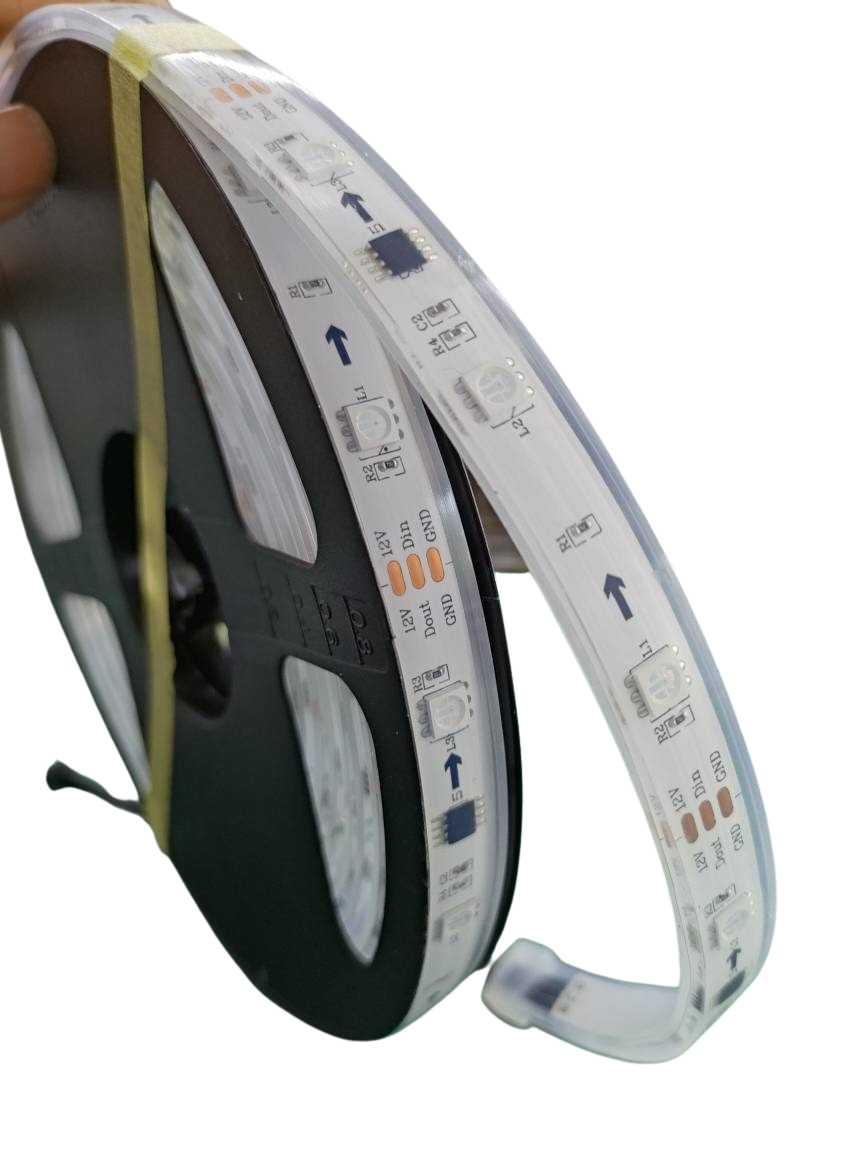
Outdoor displays face unique challenges, but with proper weatherproofing, you can keep your show running smoothly.
Waterproof LED Connectors and IP67 Options
Waterproof LED connectors are a must for outdoor displays. They keep moisture out, preventing damage. Look for IP67 connectors, which offer excellent protection against water and dust. These are ideal for harsh weather conditions, ensuring your setup stays dry and operational. By investing in waterproof options, you avoid interruptions caused by the elements.
Bulkhead Connectors and Panel-Mount Ports
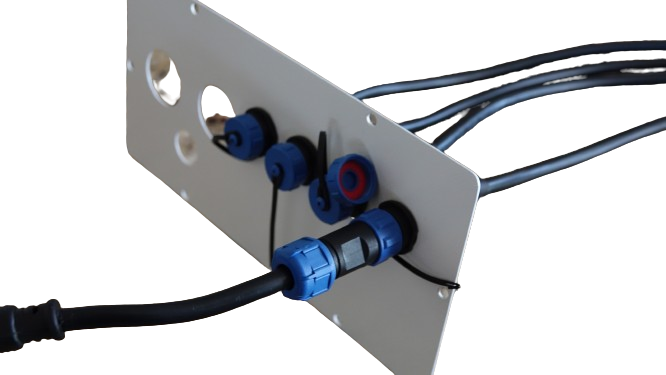
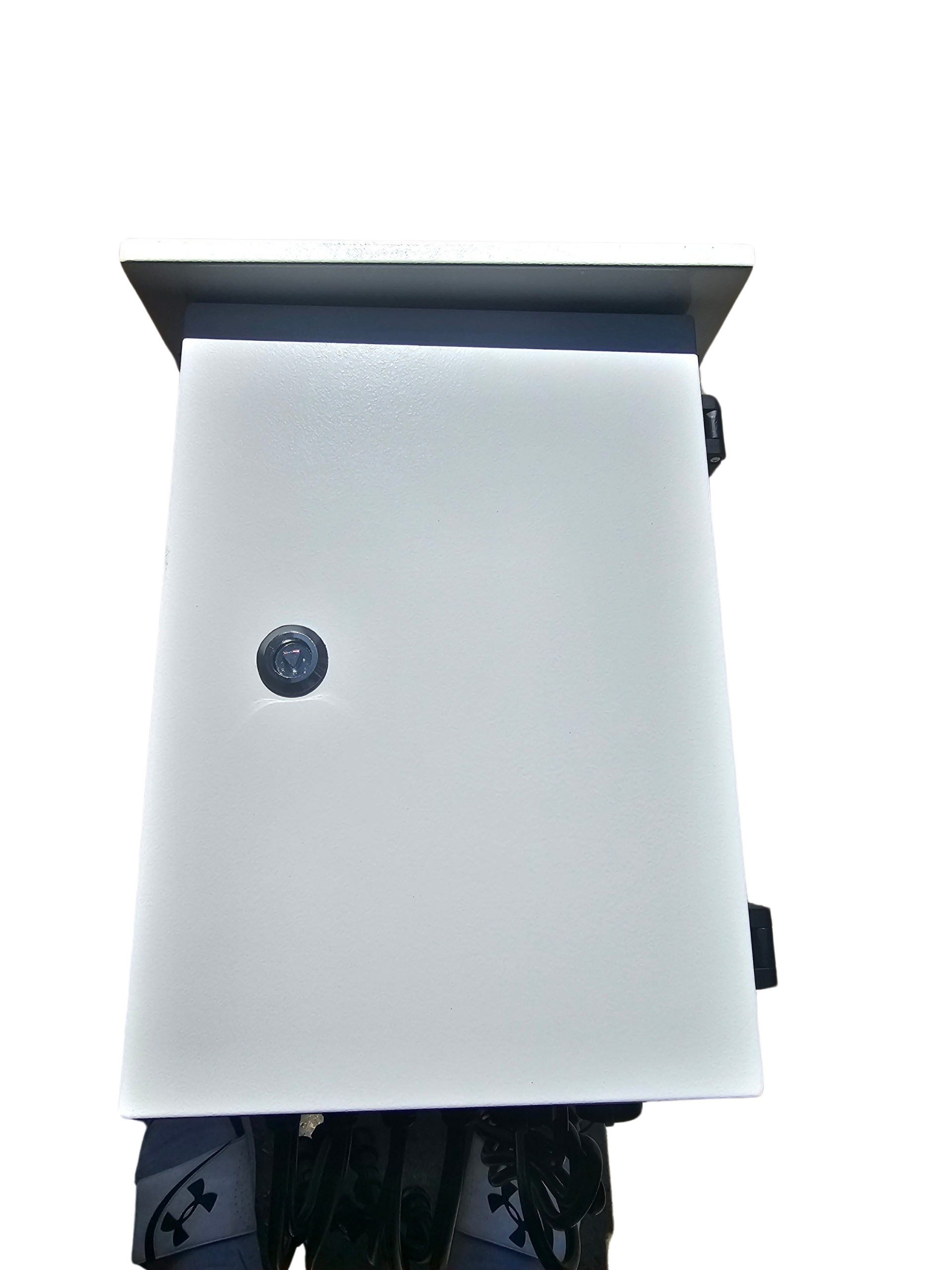
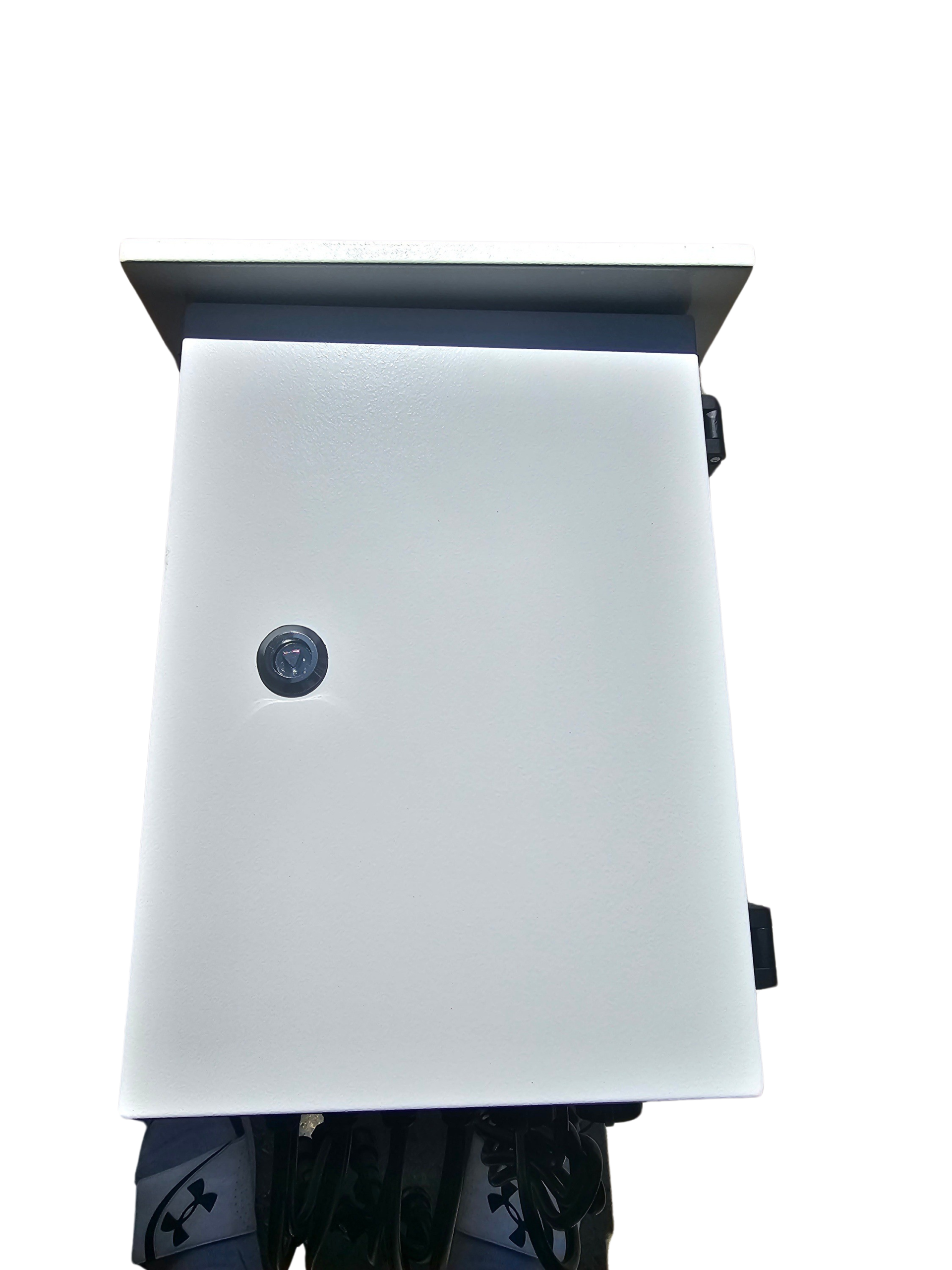
Bulkhead connectors and panel-mount ports provide robust solutions for connecting cables through panels or enclosures. They offer a secure fit and are designed to withstand external forces, making them perfect for outdoor setups. By using these components, you ensure that your connections remain stable and secure, even in windy or rainy conditions. This extra layer of protection keeps your display functioning seamlessly.
Ensuring Long-Lasting Outdoor Displays
For a long-lasting outdoor display, consider all these elements together. Proper selection of connectors, reliable wiring, and effective weatherproofing combine to create a resilient system. By addressing each factor, you build a display that not only looks great but also stands the test of time. The longer your setup lasts, the more you can focus on enjoying the show rather than worrying about maintenance.
Frequently Asked Questions
What type of connector is best for outdoor LED displays?
For outdoor displays, IP67 connectors are recommended. They are waterproof, providing excellent protection against moisture and dust, ensuring that your lights remain operational even in adverse weather conditions.
How do you prevent flickering in LED light displays?
To prevent flickering, ensure proper power injection throughout your setup. Distributing power evenly, especially over long runs, helps maintain consistent brightness and performance.
What’s the advantage of using WAGO lever nuts?
WAGO lever nuts offer a quick and secure way to connect wires. They are easy to use, provide a strong hold, and facilitate rapid setup changes without compromising connection integrity.