Blog
Outdoor Pixel Compatibility Guide: Picking LED Pixels, Controllers, and Power Supplies That Just Work

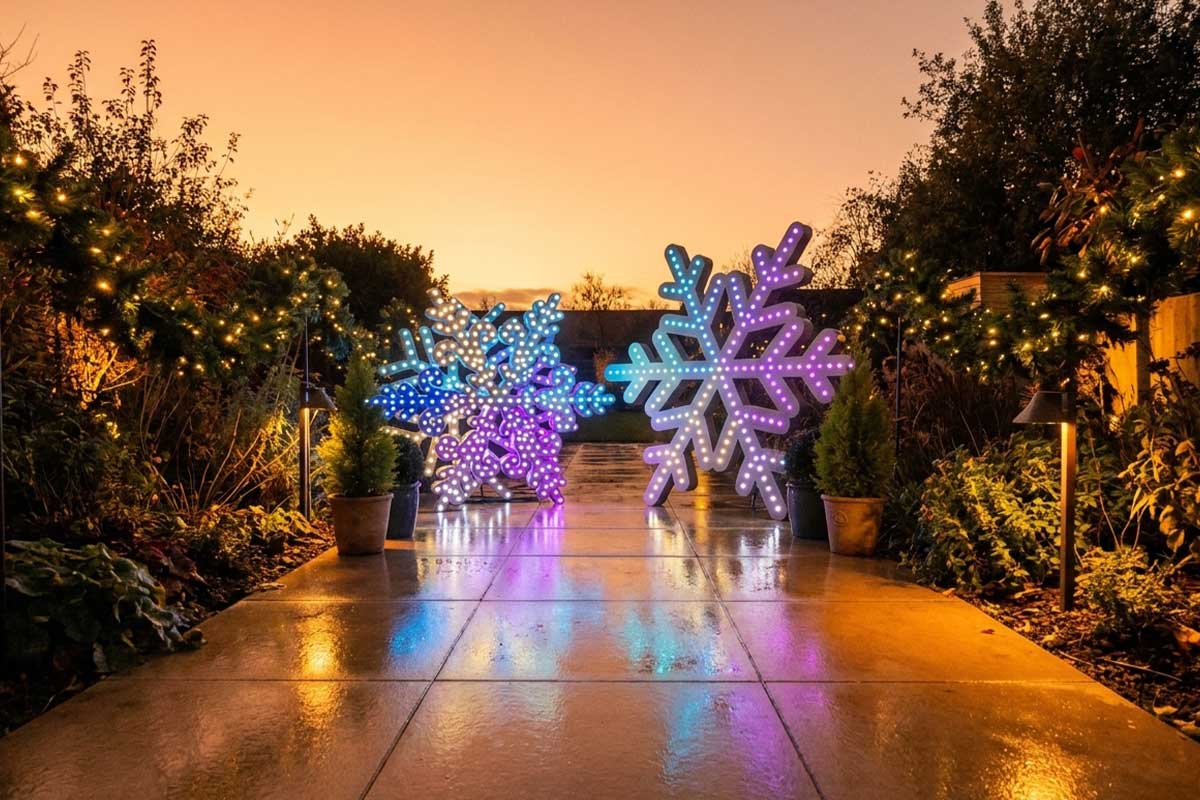
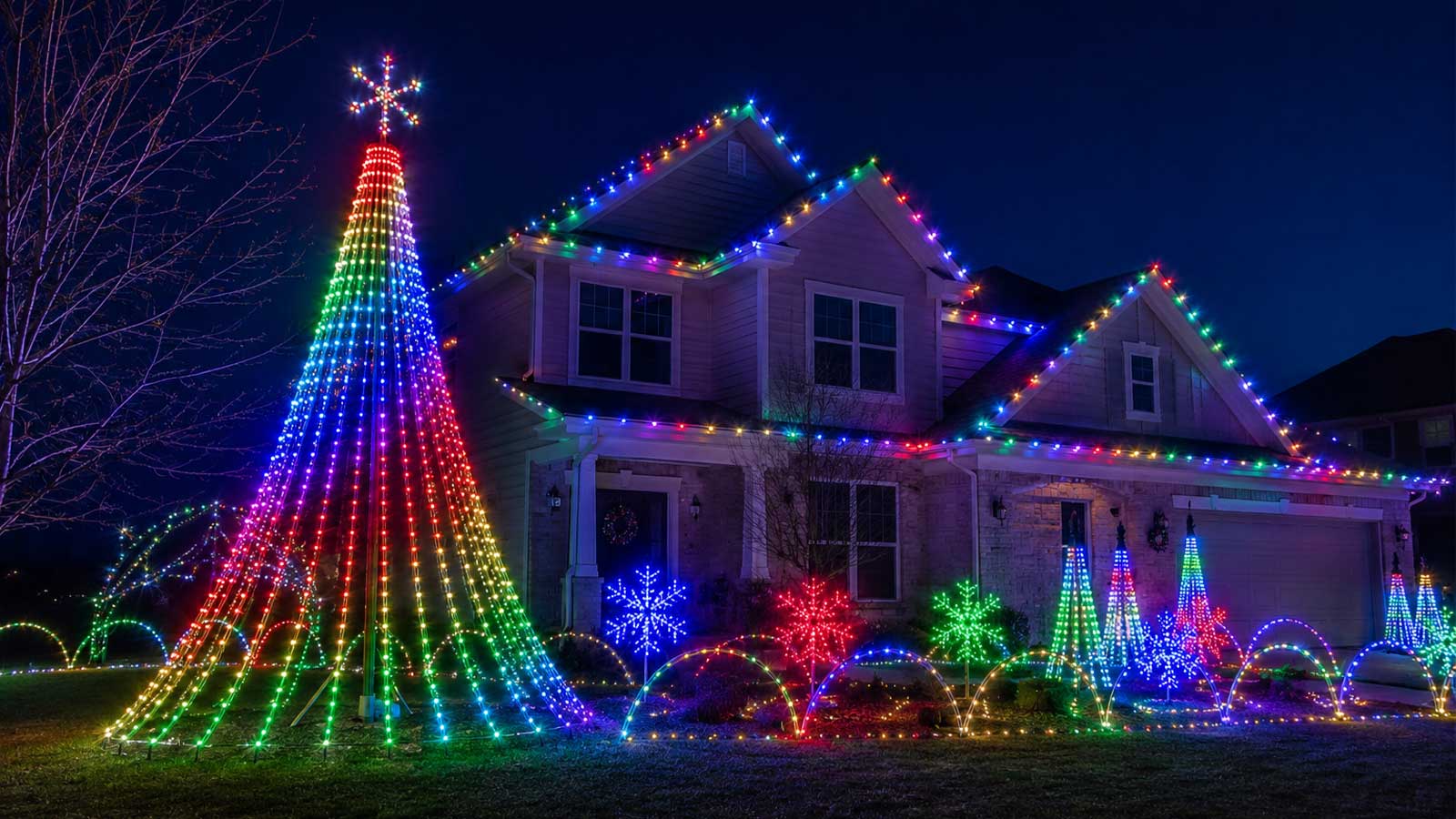
Picking the right LED pixels, pixel controller, power supply, and connectors can make or break your outdoor light show. Whether you are building a Christmas display, Halloween haunt, mega tree, roofline, matrix, arch setup, or commercial installation, compatibility matters.
The wrong combination can cause flickering pixels, voltage drop, failed connections, controller issues, and frustrating troubleshooting. This outdoor pixel compatibility guide explains how to match pixels, controllers, power supplies, connectors, and accessories so your display runs smoother, brighter, and more reliably.
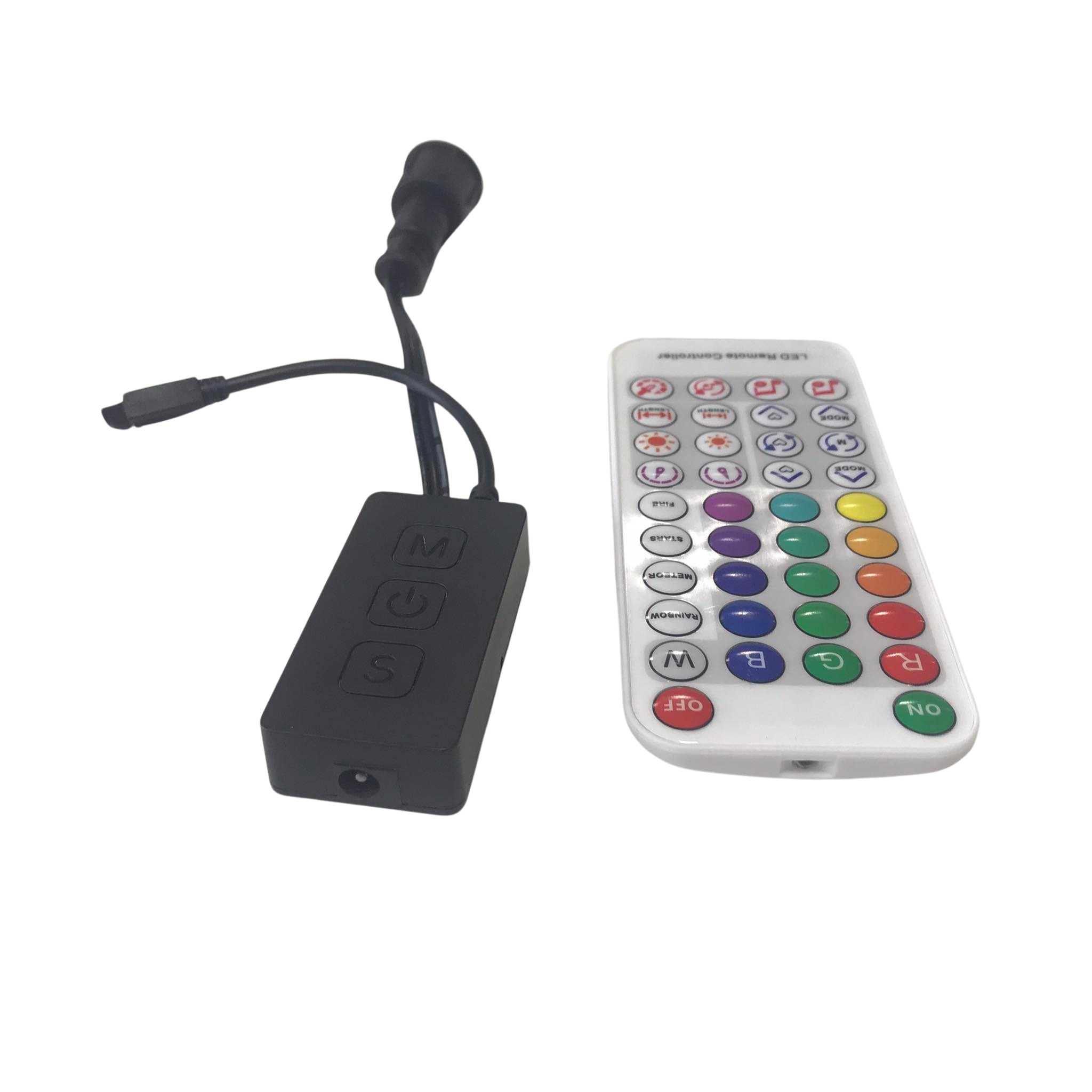
At Your Pixel Store, we help customers build everything from small residential displays to large commercial lighting projects. This guide will help you understand what parts work together before you buy. Looking for a simple controller to get you started, check this link.
Choosing the Right LED Pixels
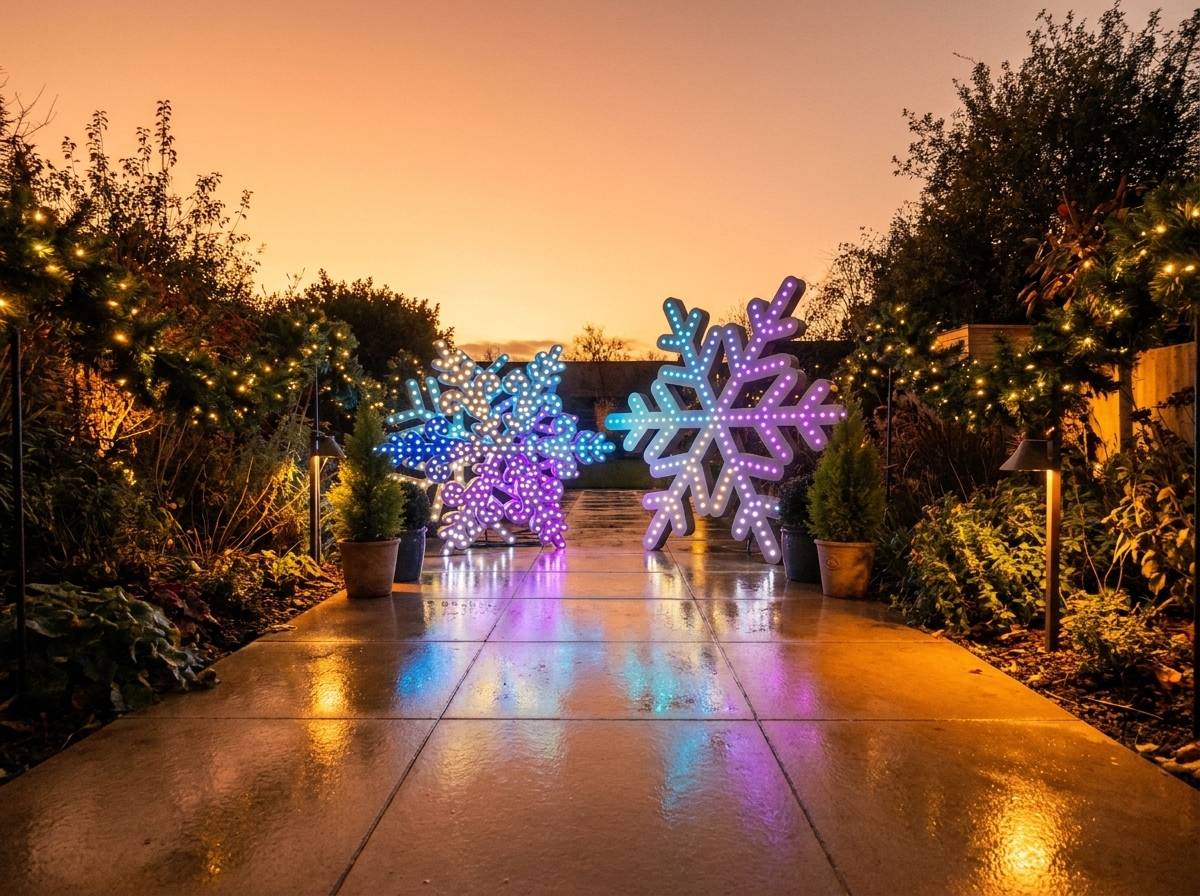
Understanding LED pixels is crucial for setting up a successful outdoor display. It’s like picking the right brush for a painting. Each type has its unique features and knowing them will save you time and money.
Understanding LED Pixel Types
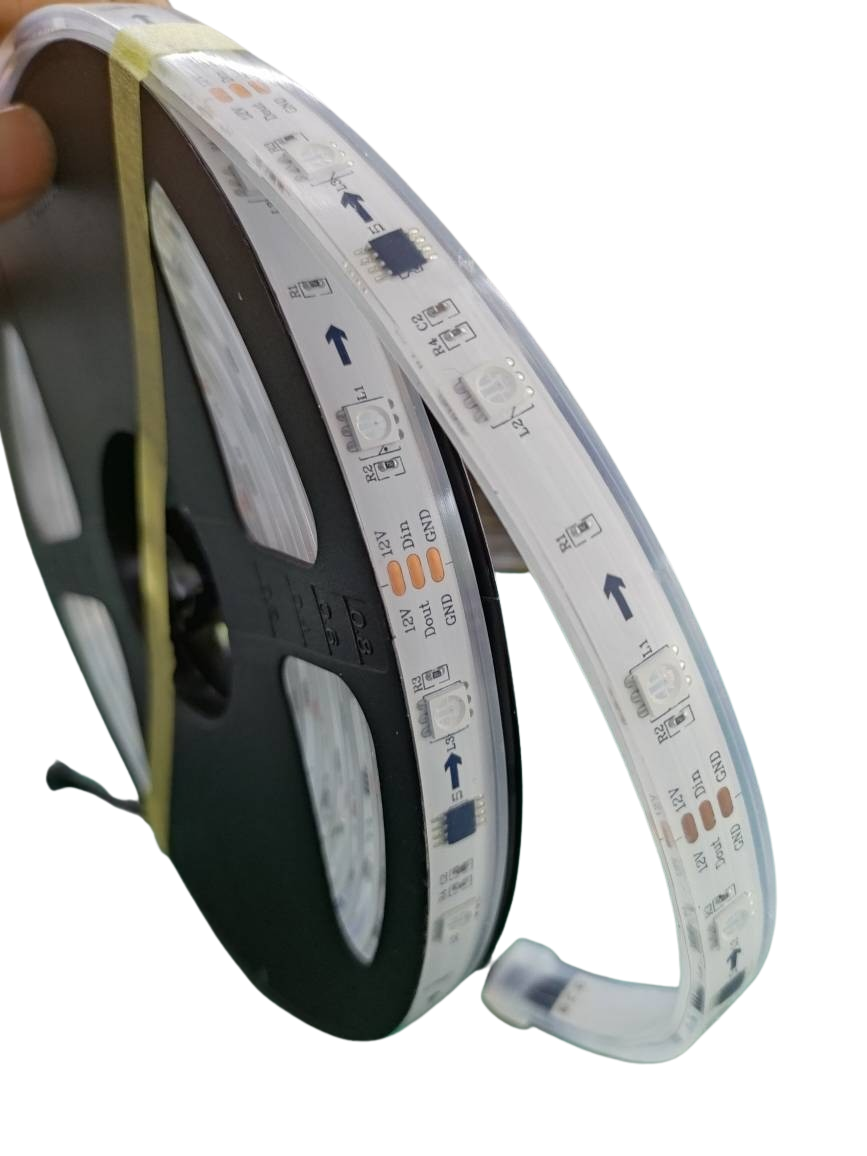
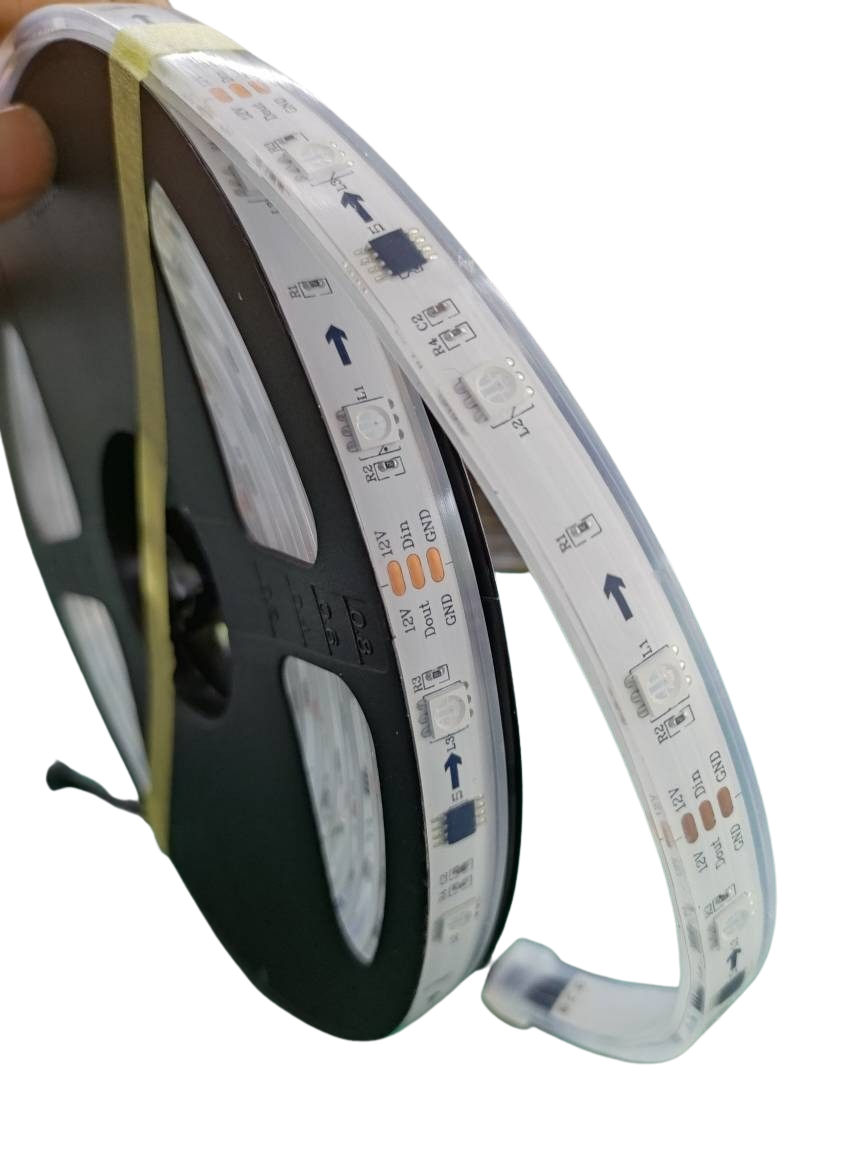
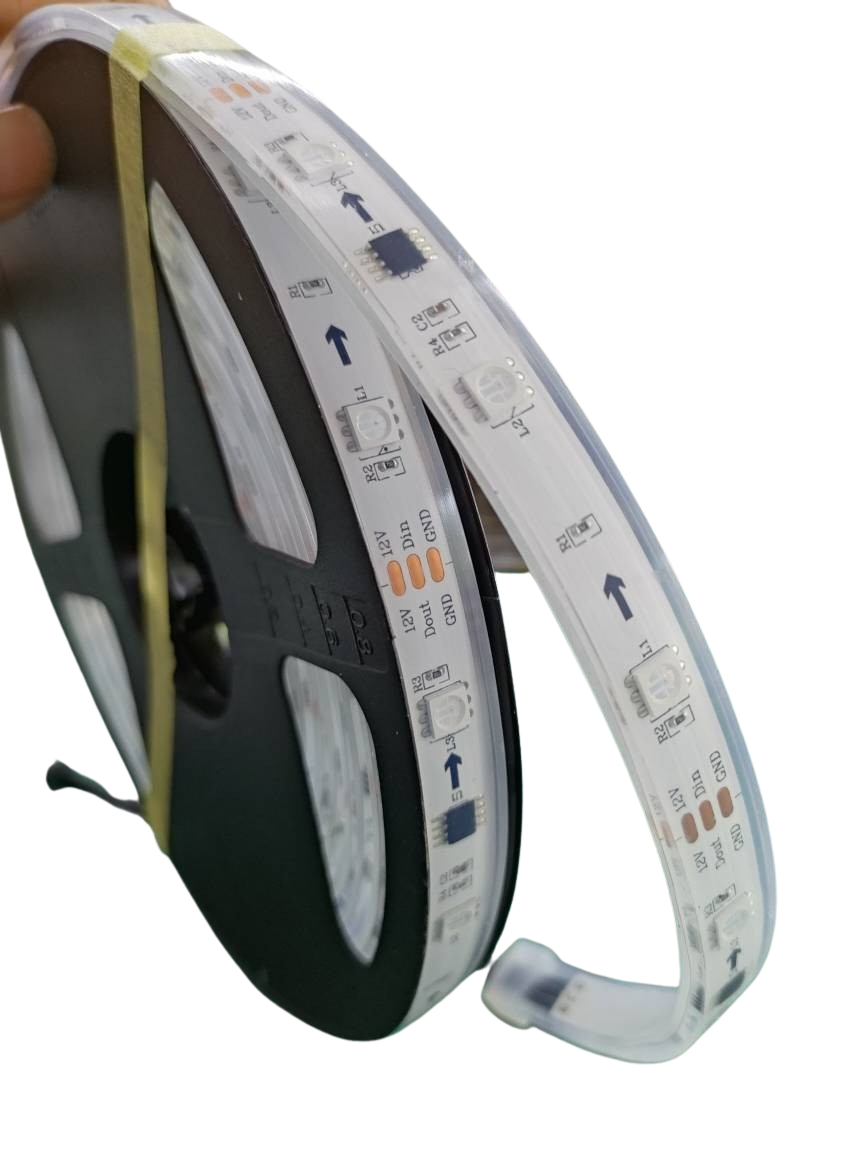
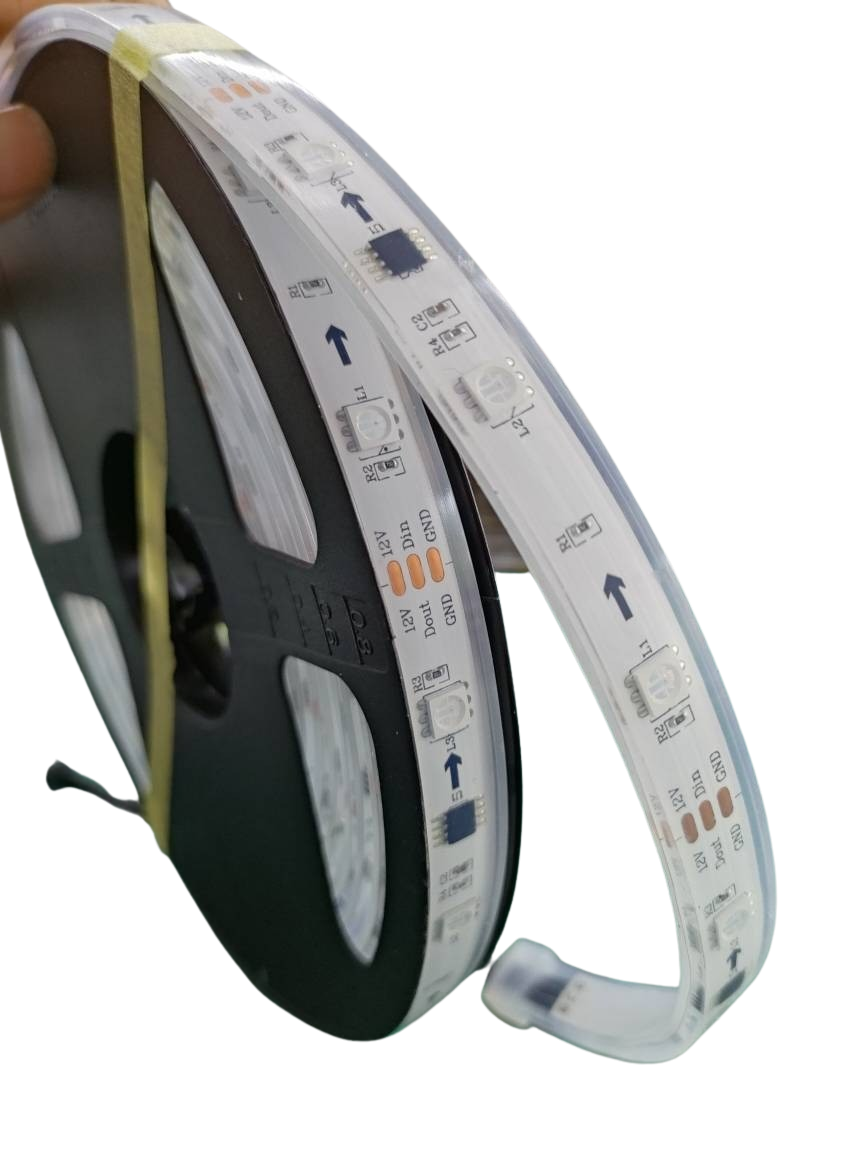
LED pixels come in various types, each with its specific use. Bullet pixels are commonly used because they offer bright and consistent lighting. They are perfect for creating outlines, arches, and even mega trees. Square pixels, on the other hand, are ideal for flat surfaces where a more uniform light spread is needed. Their shape allows for easy mounting and alignment.
Another popular type is Gumdrop pixels. These are often used in situations where waterproofing is essential. They have a dome-like shape that not only enhances brightness but also protects against water. When choosing, consider where you plan to install them and what effect you want to achieve.
Selecting Voltage: 12V vs. 24V Pixels
Voltage selection is another key factor in setting up your LED displays. 12V pixels are more common in home setups because they are cost-effective and efficient for shorter runs. They are typically easier to find and replace, making them a go-to choice for many DIY enthusiasts.
However, for larger setups, 24V pixels might be a better choice. They help in reducing voltage drop over long distances, which means your lights will remain bright and consistent throughout the display. It might require a bit more upfront investment, but the payoff is a more reliable and vibrant light show.
Best Outdoor Pixel Options
When it comes to outdoor environments, you need pixels that can withstand the elements. IP66-rated pixels are a great choice for outdoor setups. They offer excellent protection against dust and water, ensuring your display runs smoothly, no matter the weather. For those who want to make a long-lasting investment, these pixels are highly recommended.
Another option to consider is the use of Ray Wu connectors. These connectors are known for their durability and ease of use, making them a popular choice among professionals for outdoor installations. They ensure secure connections that withstand the test of time and weather.
Matching Controllers to Pixels
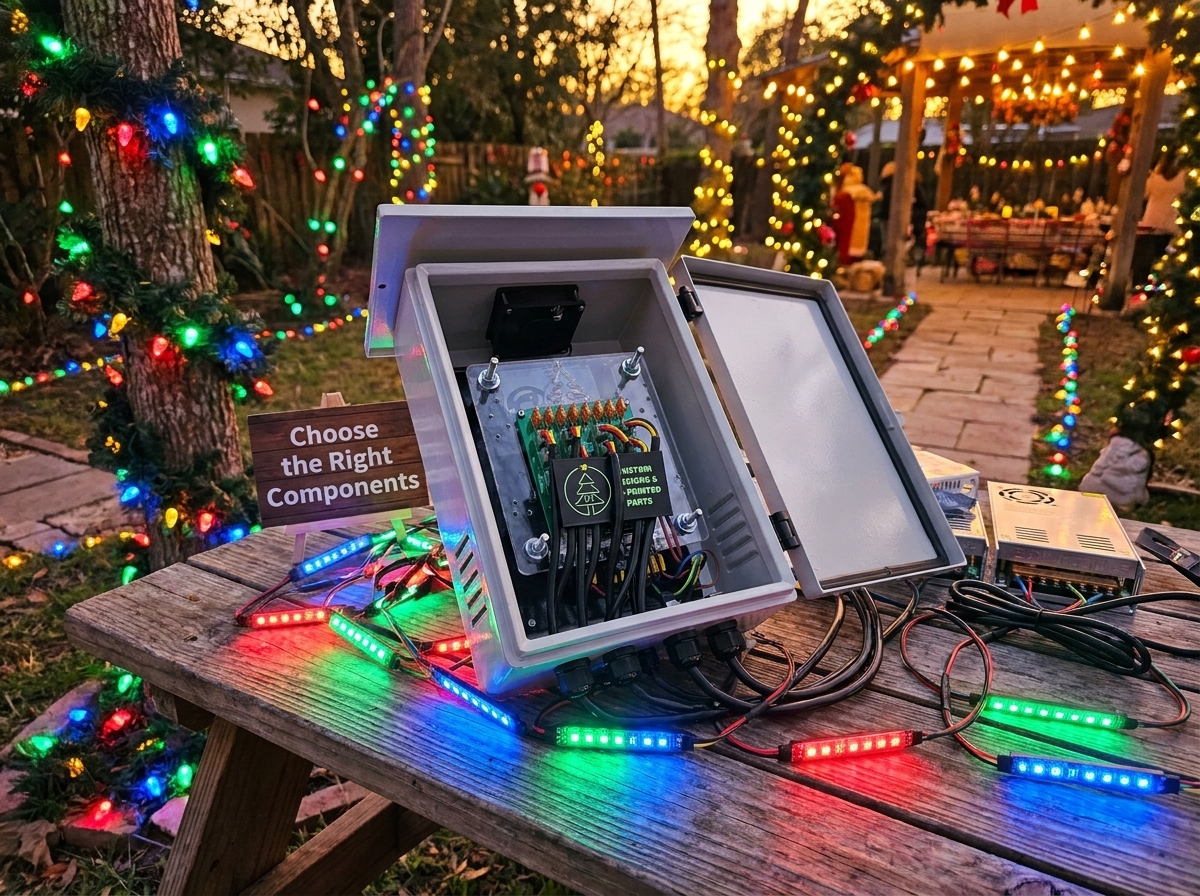
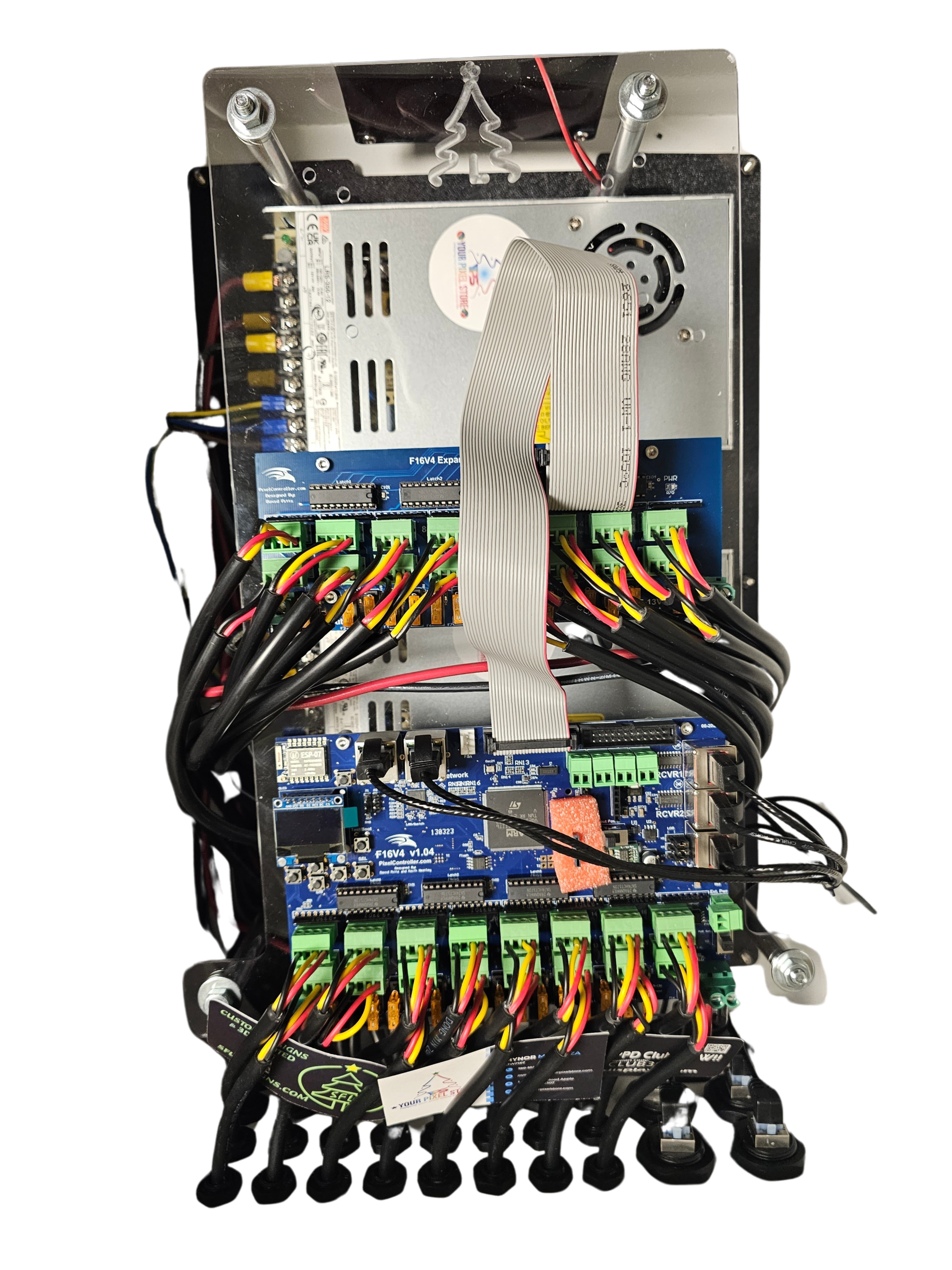
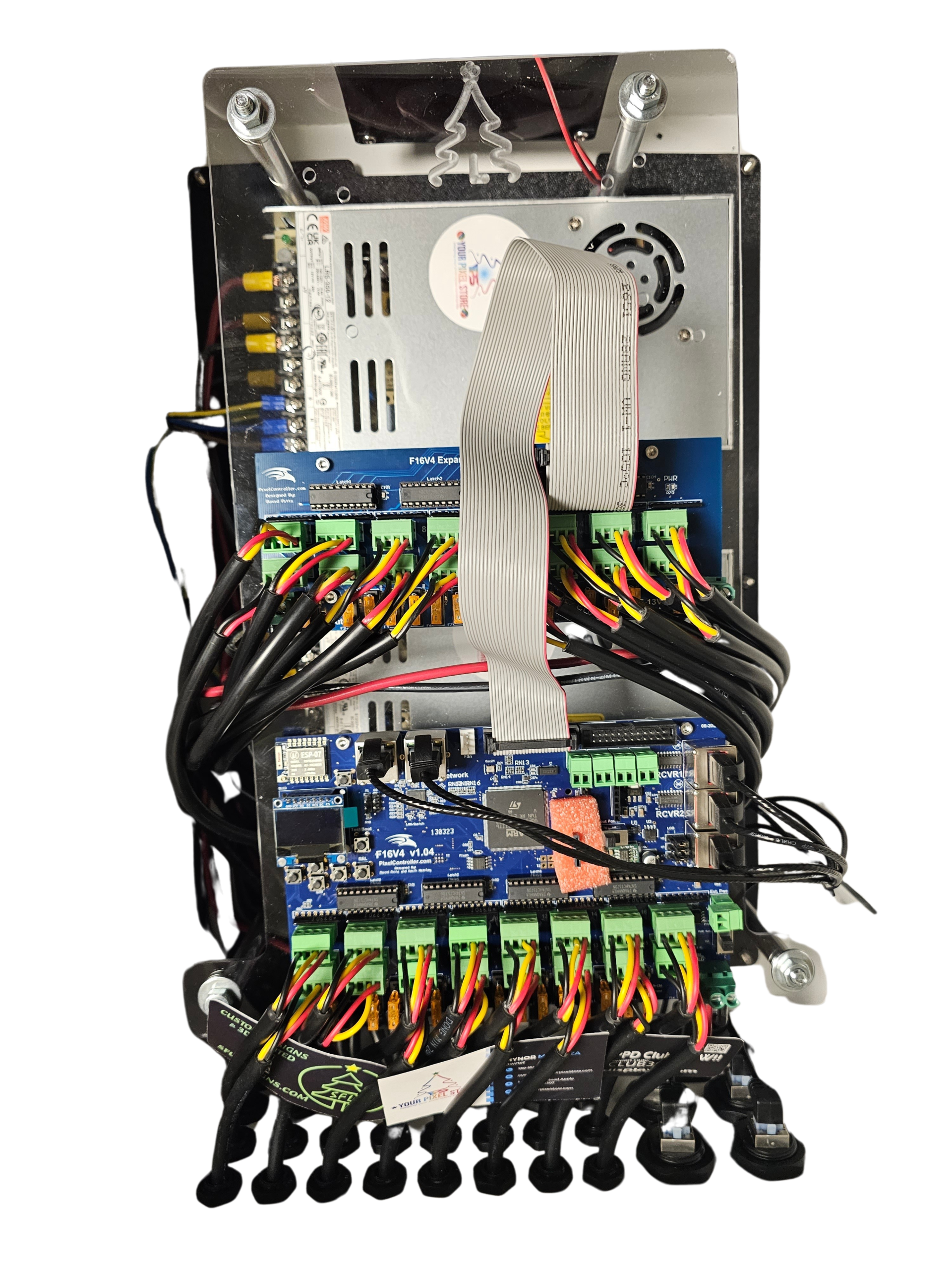
Now that you’ve got a handle on pixels, it’s time to pair them with the right controllers. This step is crucial for seamless operation and to avoid frustrating setup issues.
Features of the YPS VIVID 8
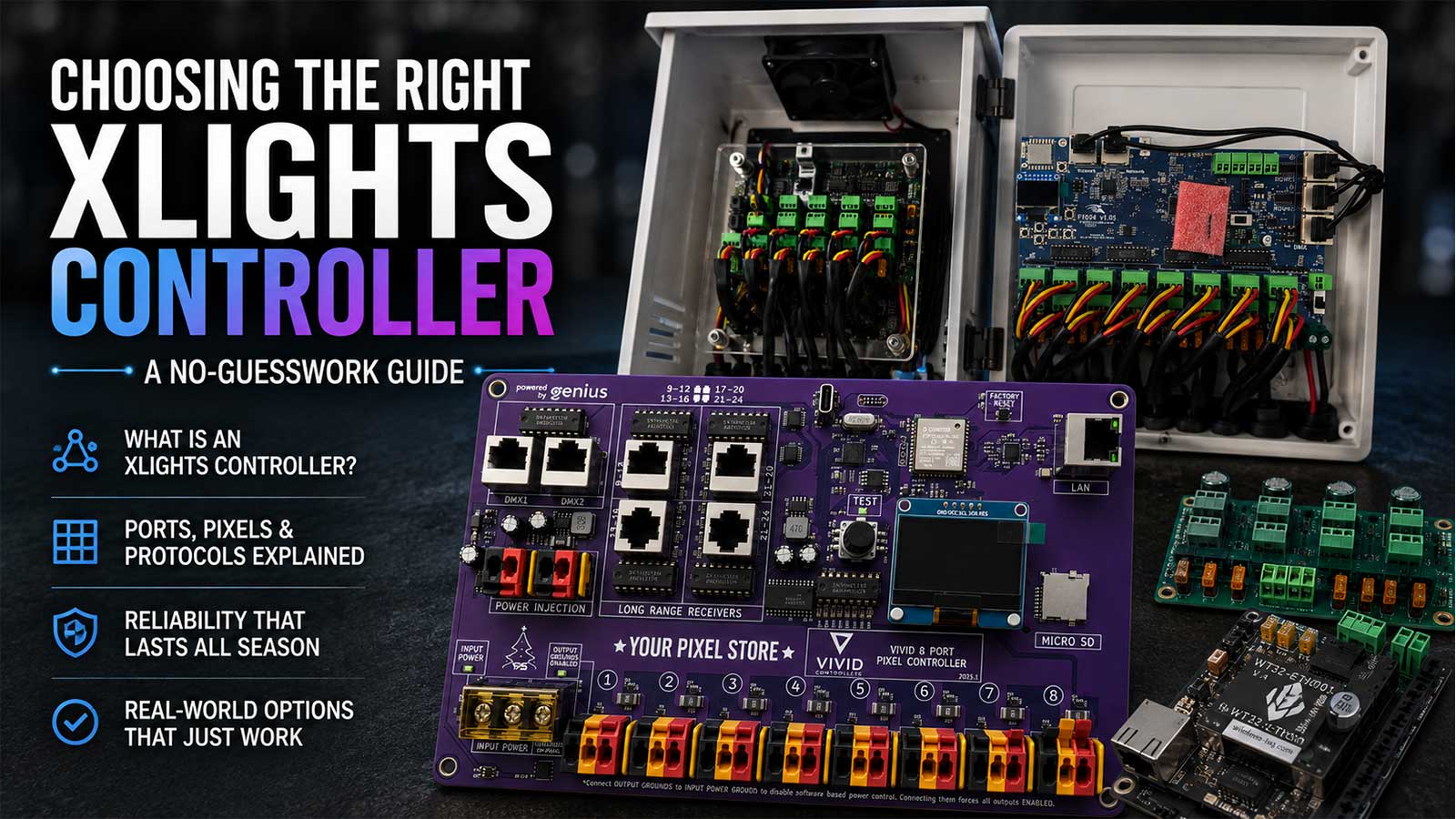
The YPS VIVID 8 is a powerhouse when it comes to pixel controllers. It’s designed to handle multiple pixel types with ease. One of its standout features is its ability to control up to 8,000 pixels, which makes it perfect for large displays. The controller is user-friendly, with a clear interface that allows for easy adjustments.
With the VIVID 8, you also benefit from real-time monitoring. This means you can track performance and spot any issues before they become problems. It’s a robust choice for anyone serious about creating stunning light shows.
Understanding WS2811 and Protocols
The WS2811 protocol is a common language used by many LED pixels. It ensures compatibility between different brands and models of pixels. When choosing a controller, check if it supports WS2811. This will give you more flexibility in your setup.
Additionally, understanding protocols like E1.31 sACN and Art-Net can enhance your control options. These protocols allow for more complex setups and synchronization with other lighting systems. It’s a good idea to familiarize yourself with these if you’re planning a large or intricate display.
Differential Receivers and xLights Compatibility
Differential receivers are essential for reducing signal interference over long distances. They ensure your pixels perform consistently, even in sprawling setups. Pairing these with xLights, a popular light show software, can streamline your setup process.
xLights offers a range of features that enhance show creation. It’s compatible with a variety of controllers, including the YPS VIVID 8. This compatibility ensures you can design intricate displays with ease, making it a favorite among enthusiasts and professionals alike.
Power Supplies and Accessories
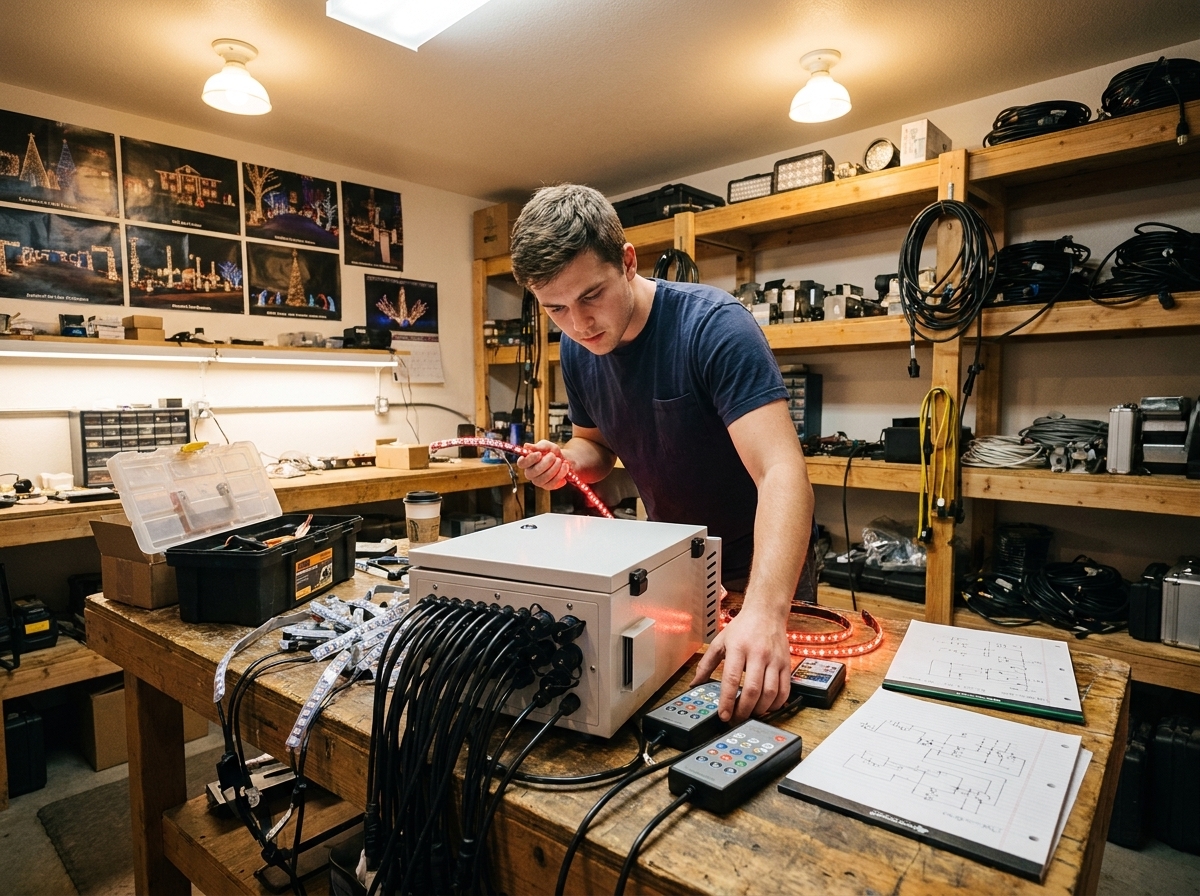
Your pixel display is only as reliable as its power supply. Choosing the right one can prevent common issues like flickering and voltage drop.
Benefits of Waterproof Power Supplies
In outdoor setups, a waterproof power supply is non-negotiable. It protects your equipment from moisture, which is vital for longevity. IP67-rated supplies are recommended because they offer excellent protection against water and dust. They’re a worthwhile investment to keep your display running smoothly through rain or shine.
Using fused power distribution systems can also enhance your setup. These systems protect against power surges and ensure even distribution of power, minimizing the risk of damage to your equipment.
Power Injection and Voltage Drop Solutions
Power injection is a technique used to prevent voltage drop. It involves adding additional power at points along your pixel strip. This ensures that all pixels receive enough power to shine brightly. It’s particularly useful in long runs where voltage drop is a concern.
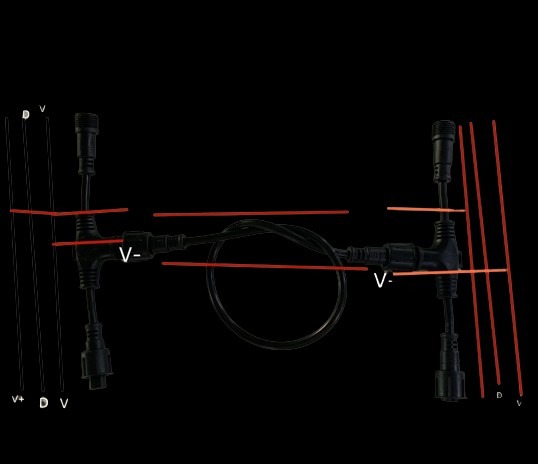
For effective power injection, use power injection cables. These cables are designed to seamlessly integrate with your setup, providing the necessary boost where needed. They are a small investment that can make a big difference in performance.
Choosing the Right Enclosures and Connectors
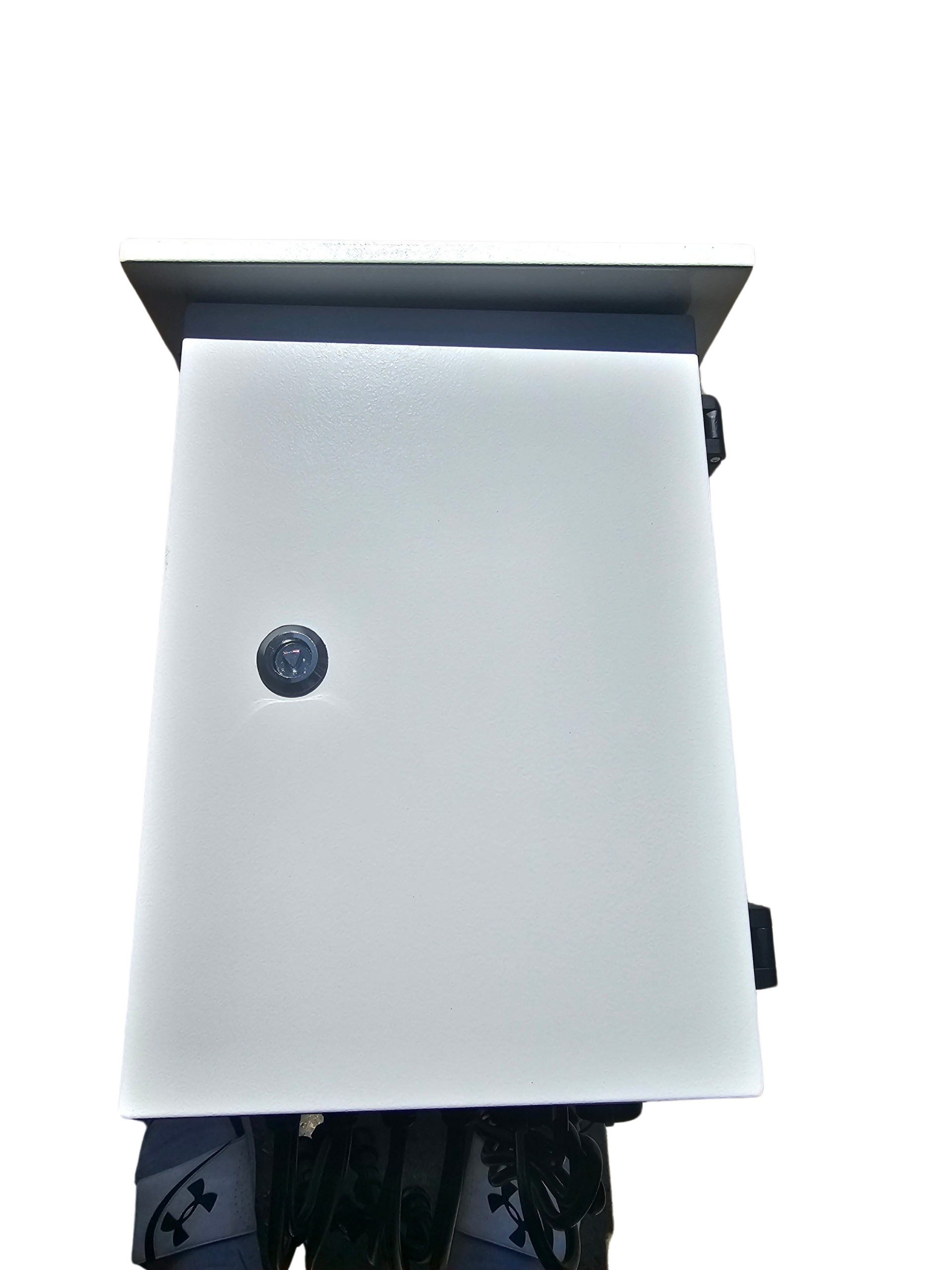
Enclosures play a crucial role in protecting your equipment. IP67 enclosures are ideal for outdoor setups. They provide a sturdy, weatherproof housing for your controllers and power supplies, ensuring they remain operational in all conditions.
When it comes to connectors, X-Connect and Ray Wu connectors offer reliable solutions for making secure connections. They are easy to use and highly durable, making them a favorite among professionals. Ensuring your connections are secure is essential for avoiding issues down the line.
By understanding and applying these insights, you can create a reliable, stunning outdoor LED display that brightens any event or holiday season.